Cat Nutrition Consultation | Talk to a Licensed Vet for $5
Book an online cat diet consultation with a licensed vet. Get a personalized nutrition plan for weight, allergies, or feeding concerns, via Zoom or Google Meet.
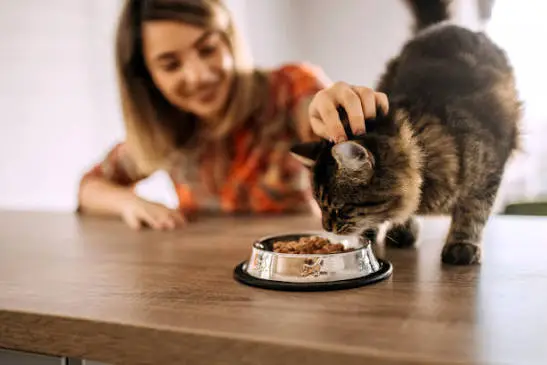
Why Is My Cat's Diet So Important to Their Overall Health?
Cats are obligatory carnivores. They have evolved to rely on animal protein and fat as their main source of energy. This means that, unlike dogs or humans, a cat’s entire metabolic system relies on obtaining the proper nutrients from a meat diet, and that the wrong diet not only causes digestive problems, but can work against them silently over time.
A proper diet helps maintain a healthy weight, helps to avoid urinary and digestive issues, boosts immunity,y and even enhances behavior and coat shine. On the other hand, obesity is the most prevalent nutritional issue faced by cats, which is associated with many conditions such as arthritis and diabetes.
The food you give your cat now can either be an investment for his long-term health or a gradual threat to his health. Your licensed vet can get you on the right track from the beginning or fix the problems you are having now.
What Cat Diet & Nutrition Problems Can VirtualVetDesk Help With?
Whether your cat has a medical condition or you’re just curious about what your cat should eat, our licensed veterinarian can help with all of your cat nutrition questions. We help with:
- Weight management: overweight cats, underweight cats, and post-neutering weight gain
- Picky eating & food refusal: cats that won’t eat, reject new foods, or are stuck on one texture
- Food allergies & sensitivities: recurring vomiting, skin issues, or digestive upset linked to diet
- Life stage nutrition: kitten feeding plans, adult maintenance diets, senior cat nutrition adjustments
- Wet vs. dry food decisions: personalized guidance beyond generic label advice
- Homemade & raw diet safety: if you’re considering a homemade diet, you should work with a veterinarian and ideally a veterinary nutritionist to ensure your cat gets a complete and balanced diet, as homemade diets are often deficient in key essential vitamins and minerals.
- Medical nutrition support: therapeutic feeding plans for cats with kidney disease, diabetes, urinary tract issues, IBD, or hyperthyroidism
- Post-surgery recovery nutrition: helping your cat heal faster with the right caloric and protein support
If your cat’s eating habits are worrying you, a 30-minute consultation can give you more clarity than hours of searching online.
What Does a Vet Actually Recommend for My Cat? (Wet Food or Dry Food)
Owners of cats have one of the most frequently searched questions – and the answer is more complicated than what some pet food companies may have you believe.
Wet food is made up of about 75–80% water, and dry kibbles have less than 5% water. The most water a cat consumes is usually through the food, so many cats will appreciate the extra water provided in wet foods, particularly to prevent constipation and adequate water production.
Cats cannot be fed a vegan or vegetarian diet, since, as obligate carnivores, they cannot get the nutrients they need from plants. They need to consume meat and only a minimal amount of carbohydrates (preferably a diet that has more protein than fat, and at least 45% protein, and less than 10% carbohydrates).
However, the appropriate choice of cat depends on the cat’s age, weight, activity level and their health status. Dry food can cause serious issues later in life as well, if a cat has a preference for dry food from an early age, but later gets a disease that requires a wet food diet, such as kidney disease or diabetes.
A VirtualVetDesk vet consultation provides you with a clear, individual response – not a label-fits-all solution.
When Should I Book a Cat Nutrition Consultation Instead of Googling It?
While Google can provide you with general information, it cannot simultaneously evaluate your cat’s breed, age, weight history, symptoms, and medical history. Application of professional and veterinary advice is imperative in very clear situations. If the pet has lost weight or gained weight at a rapid pace, has diarrhea or constipation, has a strong odor to its breath, has serious changes in behavior, such as hiding, getting more aggressive or less active, or has diarrhea or constipation, it could be a sign of other medical conditions that require a veterinary exam and may require medical treatment as well as nutritional management, such as kidney disease, diabetes, hyperthyroidism or food allergy.
When to book a consultation – other than emergency situations:
- You’ve switched their brand of cat food and they are now averse to eating it.You have switched cat food brands and your cat is not eating.
- Your cat has a chronic condition and requires a therapeutic diet plan
- You are not sure what’s best to give your kitten when you’re feeding him/her a transition to adult food.
- You are thinking about changing to a homemade or raw diet and need a veterinarian’s opinion of its safety
- Meowling with your senior cat (aged 7+ years) has gone. There’s been a change in appetite or loss of muscle mass in your cat (senior, 7+ years).
It is always cheaper, in both monetary and health care costs, to prevent a disease than to treat it later.
Can an Online Vet Really Build My Cat's Feeding Plan Without a Physical Exam?
This is a legitimate and frequent concern. The straight answer is, yes, a comprehensive video consultation is completely adequate for most nutrition consultations.
A nutrition consultation consists of a review of your pet’s medical and dietary history, analysis of your pet’s current diet, recommendations for feeding plans, and written recommendations for commercial diets, treats, and supplements for your pet’s specific nutritional needs.
In your VirtualVetDesk Zoom or Google Meet, our vet will:
- Look at your cat’s diet history, feeding schedule, and amount of food.
- Take a video call to evaluate your cat’s body condition score and coat condition.
- Ask regarding symptomology, stool consistency, energy, and fluid intake
- Things to do: Review any previous laboratory results or vet records prior to sharing.
- Provide a Written, Individualized Feeding Plan to take immediate action.
While a physical exam is a crucial step in diagnosing injury or illness, planning a nutrition strategy relies on information, history and clinical knowledge, which are 100% applicable to an online exam. In fact, many cat owners discover that they are able to get far more information out of cats without the stress of going to a clinic and also cats stay calmer at home with a focused nutrition session.
What Conditions in Cats Require a Special Therapeutic Diet?
Proper nutrition can directly treat (and even improve) some of the most prevalent feline health problems. Feline nutrition is especially important for cats with chronic disease; the wrong diet can cause disease to progress faster, and the correct diet can slow the progression of the disease.
Therapeutic cat diets are needed in cases of:
- Chronic Kidney Disease (CKD) — Renal diets are low in phosphorus, and protein is controlled to decrease the accumulation of toxins, and may include additional amounts of omega-3 fatty acids and B-vitamins. Do not limit protein unless diagnosed, if doing so results in the loss of muscle mass.
- Feline Diabetes — In the majority of cases, feeble felines profit from high-protein and low-starch diets. Wet food is typically chosen as it is naturally lower in carbohydrates, and diet changes should be considered with insulin treatment to prevent blood sugar episodes and avoid hazardous situations.
- Special Urinary Diets for Urinary Tract Disease: These diets help to control minerals and promote urination. For these cats, it is particularly vital to use wet cat food.
- Food Allergies & IBD — hypoallergenic and hydrolyzed protein diets to determine and remove food triggers
- Obesity – structured calorie-controlled plans, protein to fat ratios.
- Diets for hyperthyroidism — diets that are controlled by iodine and used in conjunction with medical treatment
If your cat suffers from any of these illnesses, its present diet can counter its cure. With a VirtualVetDesk nutrition consultation, you will receive a nutrition plan designed by your vet to fit your needs.
How Does a VirtualVetDesk Cat Diet Consultation Work?
Getting expert nutritional guidance for your cat has never been more straightforward. Here’s exactly what happens:
Step 1 — Book Online
Choose your preferred date and time slot directly through our website. Consultations are available 7 days a week.
Step 2 — Share Your Cat’s Information
After booking, you’ll receive a brief pre-consultation form. Fill in your cat’s age, breed, weight, current food, feeding schedule, and any health concerns or vet records. The more detail you share, the more targeted your plan.
Step 3 — Join Your Video Consultation
Meet your licensed vet via Zoom or Google Meet. The 30-minute session covers a full dietary review, your questions, and a live discussion of feeding strategies tailored to your cat’s specific profile.
Step 4 — Receive Your Written Feeding Plan
Within 24 hours, you’ll receive a written nutrition summary with specific food recommendations, portion guidance, feeding schedule, and any supplement advice — all ready to implement immediately.
No travel. No waiting room stress for your cat. No clinic appointment backlog. Just expert, personalized cat nutrition advice from the comfort of your home, anywhere in Pakistan.
What's the Process for Booking My Cat's Nutrition Consultation?
Booking takes less than two minutes.
Visit the VirtualVetDesk booking page, select Cat Diet & Nutrition Consultation, choose your preferred date and time, and complete a brief intake form about your cat. You’ll receive a confirmation with your Zoom or Google Meet link instantly.
Have these ready before your session:
- Your cat’s current food brand and portion size
- Any recent vet records or lab results (if available)
- A note of symptoms or concerns you want to address
- Your cat’s nearby a quick visual during the call helps your vet assess body condition
Important Disclaimer About Our Virtual Veterinary Services
VirtualVetDesk provides licensed veterinary telemedicine and prescription notes exclusively for clients located in Pakistan. For international clients (including the United States, UK, and Canada), services are limited to general wellness information, nutrition guidance, teletriage, and behavioral consultations. Our service does not replace an in-person physical exam or establish a formal VCPR in regions where our veterinarians are not locally licensed.
How Virtual Vet Care With VirtualVetDesk Works
Book a Consultation
Visit VirtualVetDesk and choose the time that suits you.
Meet Your Licensed Vet Online
Connect via video call (Zoom or Google Meet) with a qualified veterinarian.
Get Your Nutrition Plan
Your vet assesses your pet's condition, recommends next steps.
Follow Up From Home
Receive written notes, monitor your pet's progress, and re-consult if needed.
Book Your $5 VIRTUAL VET APPOINTMENT!
Get personalized pet care advice from experienced veterinarians about your cat’s general health.