
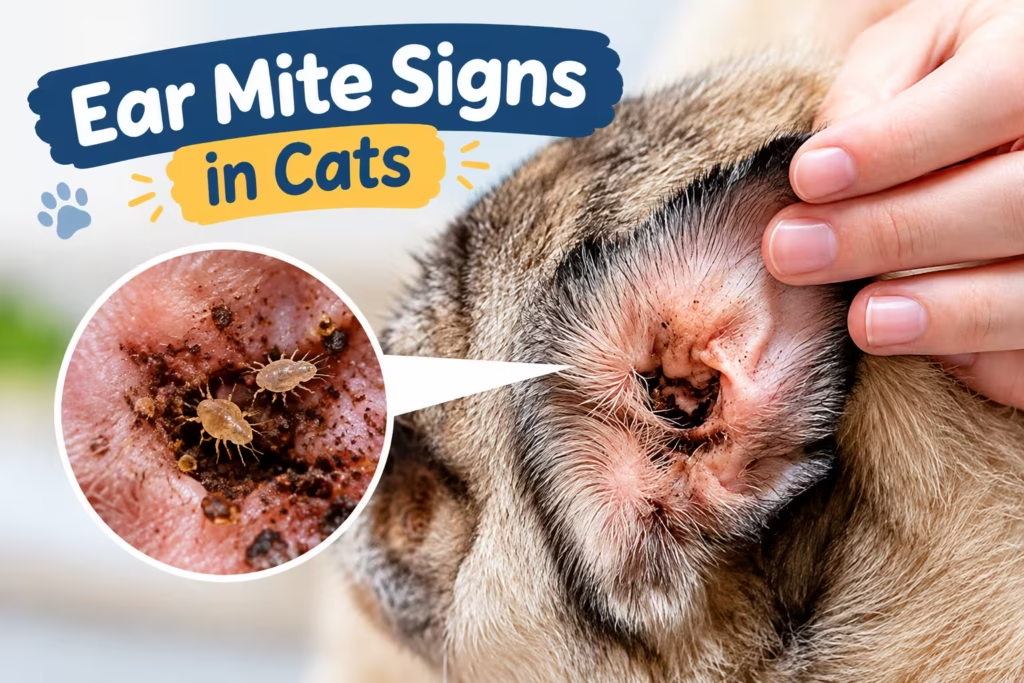
The most visible signs of ear mites in cats include head shaking, scratching their ears, and a dark, crumbly discharge that resembles used coffee grounds. Ear mites are almost always at the top of the list if your cat starts poking at one ear, tilting its head, and leaving tiny dark spots on its bedding. According to veterinary parasitologists, the mite involved, Otodectes cynotis, causes about 85 percent of ear infections in cats.
It can be disturbing to see a cat claw at its own ear, particularly the first time. Fortunately, ear mites are not a serious threat to cats and are very easily treated when they are noticed, though they can be very uncomfortable and itchy. Here are seven signs you should look for, what the discharge resembles, how ear mites look compared to a normal ear infection, and when it’s time to have your cat examined.
Dr. Shoaib Maqbool, DVM, says, Ear mites look dramatic to owners because of how hard cats scratch, but they’re one of the easier ear problems to clear up once we actually see what’s going on under the otoscope.
7 Signs of Ear Mites in Cats
Ear mite infections are fairly well-defined, but can be more severe in some cats than others. Heavy infestations cause several symptoms in kittens and cats, and mild infestations have one or two symptoms. Here are the signs to look out for.
Excessive Ear Scratching
Ear mites cause severe itching because they feed on skin oil, ear wax, and dirt in the ear canal, irritating it all the time. Most cats will scratch at the affected ear with a back paw, sometimes so hard that the surrounding skin is scraped or scabs are left behind. If your cat scratches one ear significantly more than the other, then it is typically the more affected ear.
Frequent Head Shaking
Head shaking is one of the first signs that owners notice along with scratching. Cats shake their heads to remove the irritation and dirt in the ear canal. If your cat shakes its head more often than every few minutes, especially when it wakes up from a nap, it is likely that it is trying to relieve pressure or itching from the mites.
Visible Dark Debris
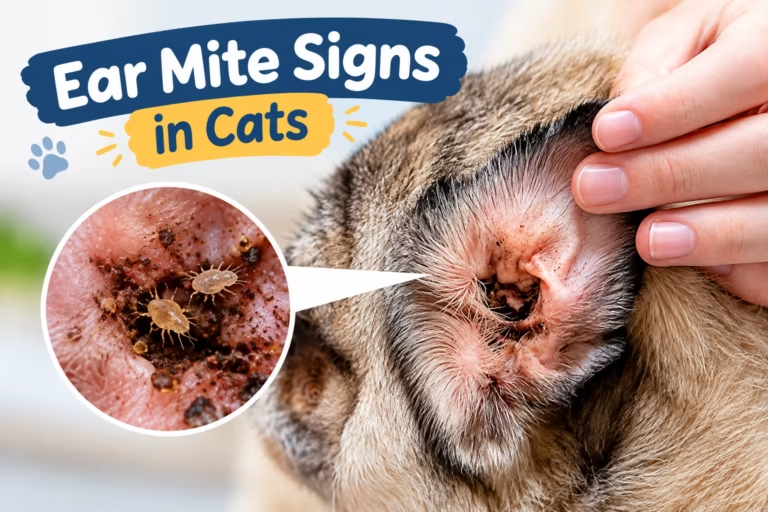
One of the most distinctive symptoms of ear mites is the buildup of dark, crumbly material within the ear canal. This is called debris. The debris consists of ear wax, dried blood, skin flakes, and mites’ faeces and is likely to gather quickly after an infestation occurs. It is typically seen just inside the ear opening and can be easily detected without any special tools.
Red or Irritated Ears
The mites feeding on the skin and the constant scratching both cause the cat’s skin to be irritated and cause a visible reddish and swollen appearance of the ear canal. The inner part of the ear flap (pinna) might be red or feel warm. As the problem gets worse, the skin can get thicker, or small sores can form from the repeated trauma.
Foul Smell From Ear
The buildup of mites, wax, and dead skin creates a warm, moist environment that encourages the growth of yeast and bacteria, leading to a musty or unpleasant odor from the ear canal. A healthy cat’s ear normally has little to no smell, so any noticeable odor is worth paying attention to. This smell usually becomes more intense with a secondary infection if left untreated.
Hair Loss or Scabs Around the Ears
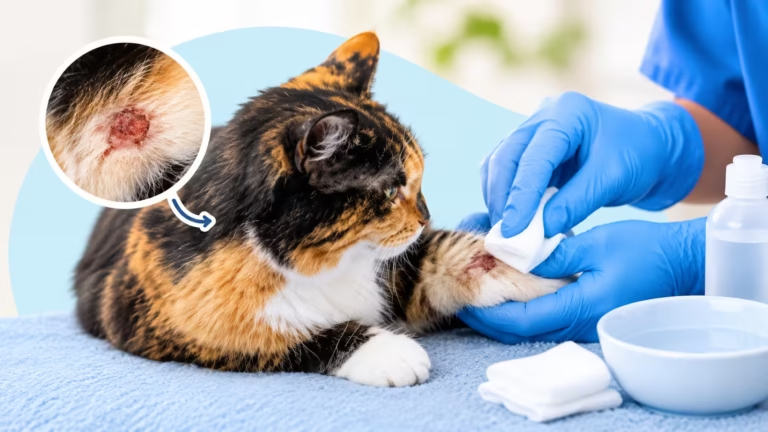
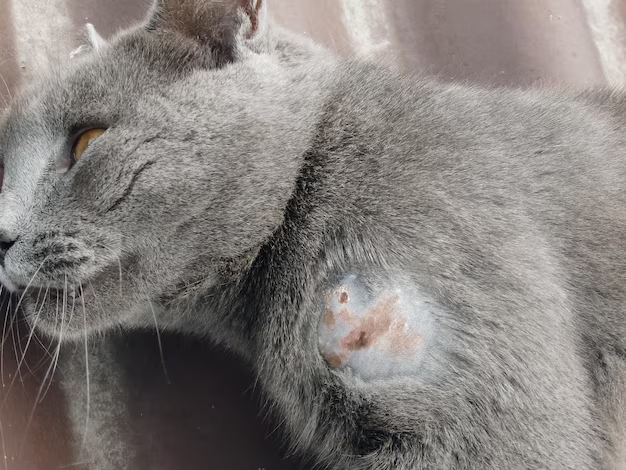
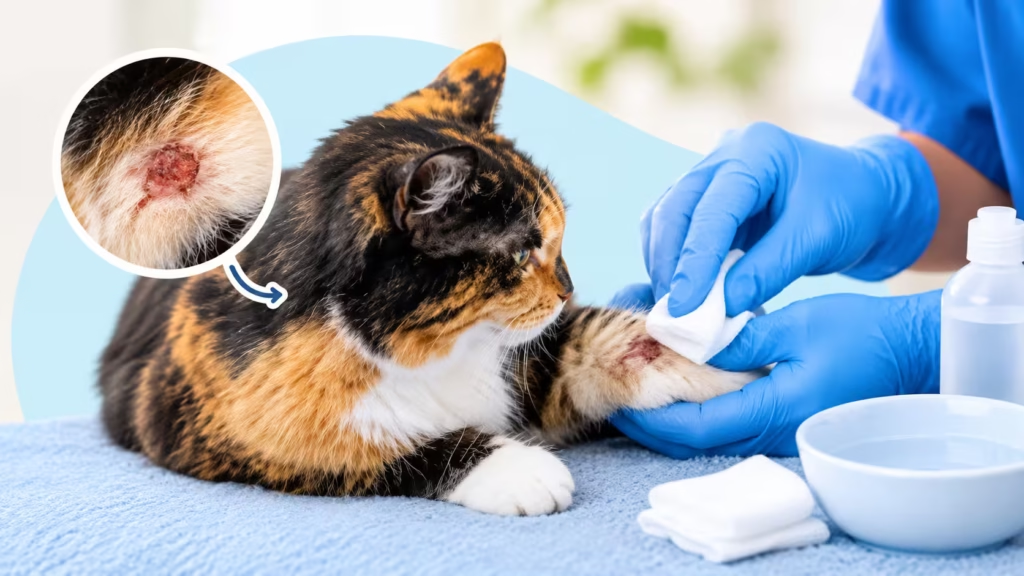
Repeated scratching and head shaking can wear away fur around the base of the ears and along the neck. It sometimes leaves bald patches or crusty scabs. Cats can injure themselves badly enough in severe cases to require further wound care, and in some cases a broken vessel in an ear flap may result in a painful swelling known as an aural hematoma.
Restlessness or Discomfort
A cat with ear mites will likely be restless, pacing, over-grooming, or flinching when you touch their head or ears. Some get irritable or withdrawn and refuse to be picked up or pet near the affected side. Cats are very skillful at hiding pain, and this type of subtle change may be first noticed by the owner well before the scratching becomes an obvious problem.
What Does Ear Mite Discharge Look Like in Cats?
Ear mite discharge has a fairly distinct appearance if you know what to look for. It is usually dark brown to black, dry and crumbly, not wet or runny, and looks like coffee grounds or coarsely ground pepper. This texture is due to the accumulation of earwax, blood, dead skin cells, and waste products from ear mites, which occur at a rate higher than what the ear can exfoliate.
The mites are tiny, about the size of a pinhead, and are difficult to see without a magnifier, but sometimes, under strong light behind the debris, small white specks can be seen moving slightly. This is why vets use a lighted otoscope during an examination, so they can easily see the discharge pattern and the movement of any mites.
Similar-looking discharges can also be associated with yeast or bacterial ear infections, which is why a vet’s consultation matters more than relying on appearance alone.
Ear Mites vs. Ear Infection in Cats
Ear mites and overall ear infection in cats are so similar in appearance that even the most well-experienced cat owners can mix them up. This makes it more important that the diagnosis is correct since both will lead to scratching, head shaking, redness, bad smell, and dark or discolored discharge.
The only difference is that the cause is different. Ear mites are a parasitic infestation, caused specifically by Otodectes cynotis living and feeding inside the ear canal. In general, the bacteria or yeast that are normally present, but not in large numbers, in every cat’s ear are responsible for an ear infection, or otitis externa. Indeed, the ear mites themselves are the most frequent cause of such infections, as the irritation and debris they cause provide a well-suited breeding ground for bacteria and yeast to multiply beyond control.
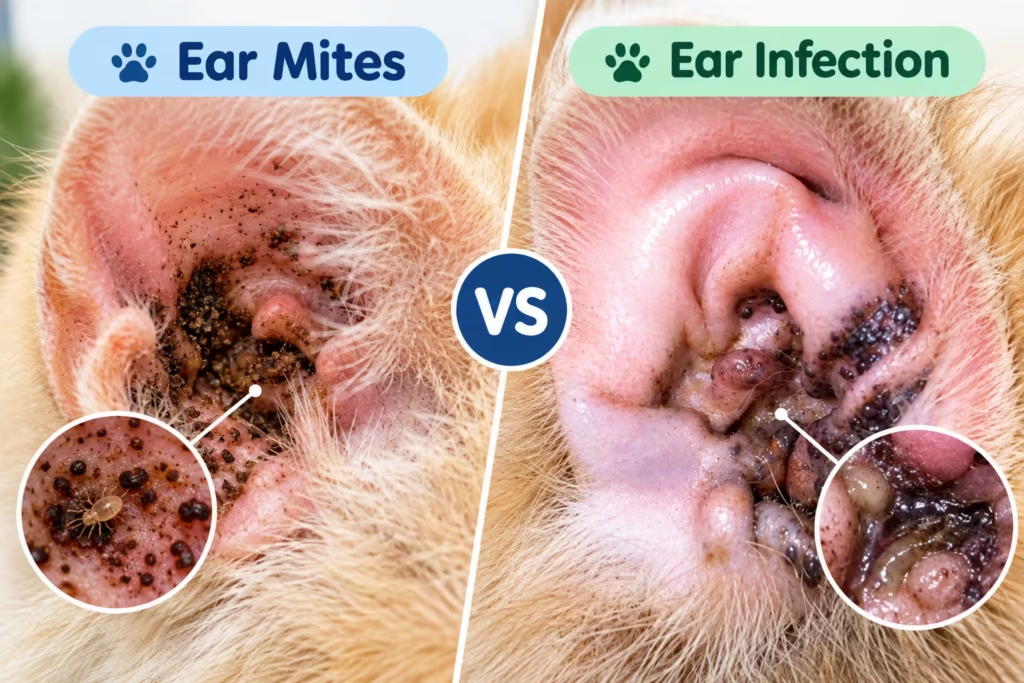
A Cat may be infected with ear mites, a secondary bacterial infection, a secondary yeast infection, or all three simultaneously, and the treatment will vary depending on which of these is present. A simple miticide is not enough to cure an established secondary infection, and ear drops containing antifungal or antibiotic agents are not effective in eliminating a mite problem. That’s why vets will look at a sample of ear discharge under a microscope before giving any treatment as opposed to treating on symptoms alone.
Can Indoor Cats Get Ear Mites?
Ear mites can happen to indoor cats, even when they don’t put a paw out the door. Ear mites spread through direct, close contact with an infested animal, and indoor cats can pick them up from a new pet joining the household, a visiting animal, or a return trip from boarding or a grooming appointment.
However, outdoor cats, kittens, and cats in multi-cat or shelter settings do have an increased risk because they have increased exposure to an infested animal. Cornell feline health scientists report that infestation is most prevalent among free-roaming, fighting, or even just grooming and cuddling cats.
If you are introducing a new cat or kitten to the home, it is advisable to check for ear mites early, as they can spread mites to all other cats in the house in a very short period of time, regardless of whether they ever go outside the house.
When Should You Take Your Cat to the Vet?
If you see your cat scratching, head shaking, or dark discharge after a day or two, it’s a good idea to get your cat’s ears checked at any time. Ear mites don’t just go away, and if left untreated, they can cause damage due to the scratching and inflammation.
See the vet as early as possible if your cat is scratching so badly that it bleeds, tilts its head excessively to one side, is sensitive when you touch its ears, or if the discharge is smelly. These may indicate a more severe infection or a secondary infection that will require prescription medication instead of an over-the-counter remedy.
If the situation seems urgent, a virtual consultation such as the one provided by VirtualVetDesk through Zoom or WhatsApp can assist you in figuring out if it’s safe to wait until your next scheduled appointment or if your cat requires immediate attention. An otoscope can’t be used by a vet to examine the ear canal via video, but during the time you wait for your appointment, you can help the vet and avoid the wrong product by following gentle home care guidelines.
Can You Confirm Ear Mites at Home?
No, not with absolute certainty, but you can definitely see it at home; abnormal discharge, scratching, foul smell, and head shaking are the things that any pet owner can notice without special equipment. You can’t be sure at home if it’s mites or a yeast or bacterial infection that is causing those symptoms.
There are two ways to diagnose ear mites: by direct inspection with a lighted otoscope, where they will be seen as small white particles moving across the dark debris in the ear, or by using a swab of ear discharge to place on a microscope slide, which is the most reliable method. Both procedures are fast and generally non-painful for cats, and are performed in one sitting.
Even for this common condition, diagnosis at home with the wrong product can only cover up symptoms, so a proper exam is well worth the drive.
What Should You Do if Your Cat Has Signs of Ear Mites?
The best first step is to always make an appointment to see the vet when you notice any of the above signs, not to search for any home remedies. Do not stick cotton swabs deep in the ears, as this can push dirt further into the ear canal and/or damage the eardrum, and refrain from using essential oils or over-the-counter ear drops until a vet has confirmed the problem.
If ear mites are diagnosed, then cleaning the ears to remove wax and debris and giving a prescription miticide (usually a topical flea parasite treatment) are the typical first steps. The mite life cycle takes approximately three weeks from egg to adult, so most treatment programs are needed for about a month after visible symptoms have diminished, in order to intercept newly hatched mites.
All cats and dogs should be examined and treated at the same time as ear mites are highly contagious among pets living in the same household; treating just one animal generally does not prevent reinfection. If you can’t reach a clinic immediately, a same-day virtual checkup with a service like VirtualVetDesk (from $5) can get you started on the safe and supportive side of home care while you arrange a clinic appointment for diagnosis and the prescription of treatment.
Frequently Asked Questions
What Are the First Signs of Ear Mites in Cats?
Early symptoms include scratching at one ear and head shaking, sometimes without any discharge visible. The more it spreads, the more crumbly debris collects in the ear, the more scratching it does, and the more the skin around the ear starts to look red or irritated. Once these early signs are detected, it will be easier and faster to treat them.
What Does an Ear Mite Infection Look Like in Cats?
Internally, it is usually a dark brown to black, dry, crumbly mass like coffee grounds. The inside of the ear canal may look red or inflamed, and in more severe cases,s loss of hair, scabbing, or an unpleasant smell from the ear may be noticed.
Do Ear Mites Make Cats Scratch Their Ears?
Yes, severe itching is a common symptom of ear mites, as the mites live in the ear canal and eat the skin oils, wax, and debris in the ear, which causes itching. The majority of cats will scratch at the ear with a back paw, shake their head periodically, and attempt to relieve the itching.
Can Ear Mites Cause Dark Discharge in Cats?
Yes, black discharge is a common symptom of an ear mite infestation. It is composed of earwax, dead blood, dead skin, and mite feces. It is usually dry, not wet or runny.
Can Indoor Cats Get Ear Mites?
Yes, ear mites can be transmitted to indoor cats from another infested cat when they bring a new cat into the home or visit the groomer or boarding kennels. Indoor-only cats are not immune, although outdoor cats and kittens have increased contact with other animals and therefore have a greater risk.
Can Ear Mites Be Mistaken for an Ear Infection?
Yes, easily. Ear mites can be very similar to a general ear infection that occurs when bacteria or yeast enters the ear, causing the ear to become almost the same as with ear mites, with symptoms of scratching, odor, redness, and discharge. In fact, ear mites are one of the most common causes of these infections in the first place, so that’s why a vet exam and an otoscope and microscope are necessary to distinguish them.
Will Ear Mites Go Away on Their Own?
Ear mites don’t go away on their own. They multiply easily and can cause secondary infections that are painful, hearing changes, or skin damage due to excessive scratching if left untreated. To eradicate an infestation, a vet-prescribed miticide and a good ear cleaning are required.
Sources and References
- VCA Animal Hospitals: “Ear Mites in Cats and Dogs“.
- Cornell University College of Veterinary Medicine: “Ear Mites: Tiny Critters That Can Pose a Major Threat“.
- Cornell Feline Health Center, Cornell University College of Veterinary Medicine: “Otitis.”
- PetMD: “Ear Mites in Cats“.
- Companion Animal Parasite Council (CAPC): “Otodectic Mite“.
- Cats.com: “Ear Mites in Cats: Causes, Symptoms & Treatment“.
- GoodRx Health: “Understanding and Treating Ear Mites in Cats: A Complete Guide“.