


The best method to stop a cat from licking its wound is using an E-Collar. Cats normally lick their wounds. It is comforting to them and helps clean, and a quick lick does the trick. However, excessive licking will delay the healing process because your cat’s rough tongue can rip the skin, tear the stitches, and push bacteria under the bandages.
Use the E-collar (Elizabethan collar), follow your vet’s instructions on wound care, and keep the wound clean. It will depend on the location of the wound, its depth, and whether your cat has just had a surgical procedure. Consult a licensed vet if your cat keeps licking the wound.
The most effective way to stop a cat from licking any type of wound is using an E-Collar. E-Collar keeps your cat from accessing the wound and helps in promoting healing.
Why Do Cats Lick Their Wounds?
It is natural for cats to lick, and they will lick to clean up the wound, just as they lick to clean fur. A lick can remove dried blood and dirt and is comforting, similar to sucking a cut finger.
This relief is short-lived. A cat’s tongue is equipped with minute stiff spines that are backward-facing, and they are very good for fur. They scratch and pull on healing skin, and licking may cause a wound to reopen, loosen stitches, and delay healing.
Cat mouths also carry bacteria. Doctors reported a woman who developed a wound abscess following an operation, and her house cat had licked the wound. The tests showed the presence of Pasteurella, a germ which cats may carry.
Several things push a cat to keep licking:
- Itching: Healing skin often itches, and allergies or fleas make it worse.
- Pain: A cat may lick a spot that hurts.
- Irritation: Stitches, dirt, or a tight bandage can bother the skin.
- Stress: A worried cat may groom more than usual.
How to Stop a Cat from Licking Its Wound
1. Use an Elizabethan Collar (Cat Cone)
The first technique is to wear an Elizabethan Collar (Cat Cone).
The most common solution is a cone. It keeps your cat from accessing wounds on the body, legs, and tail, and prevents your cat from scratching its face.
Select the smallest cone that will cover the wound. If your cat still can reach the spot, call your clinic or go up a size. A cone that is too tight should allow 2 fingers to fit between the cone and your cat’s neck and can make breathing and swallowing difficult.
It’s important that your cat continues to eat, drink, and breathe comfortably. Cones are initially uncomfortable, so raise the food bowl or use a flat plate. A survey of 434 pet owners revealed that 98% reported no difficulty breathing with a cone on their pet. However, 60% reported that their cat drank more, so monitor your cat’s water consumption.
There are two types of cones, a rigid cone and a soft cone, and they function differently:
- The usual cones are rigid plastic cones, and they are generally most effective for leg wounds.
- The soft cloth or inflatable cones are more comfortable, but can collapse or allow your cat to turn around to reach the wound.
Keep an eye on them for the first couple of hours, as some cats end up with a paw trapped.
2. Try a Recovery Suit or Protective Clothing
A recovery suit is a soft body cover that can protect wounds on the abdomen, chest, back, or neck. It is well suited for use in a belly incision.
Suits won’t cover paws, face, legs, and tail, as your cat can reach them.
The suit should be fully fitting and should cover the wound; a loose suit bunches up and irritates your cat. Also, make sure it’s clean and dry. Don’t wear damp or dirty covers on warm skin as this promotes the growth of germs; change the cover if it is damp or dirty. Do not use without consulting your veterinarian.
3. Keep Your Cat Calm and Distracted
It is easier for a cat to groom when it is calm. Create a quiet room, like a bathroom, and confine your cat to this area for the first 3-5 days. Clinics also require no jumping or rough play for 7-14 days.
Stay with your cat and stroke its head and chin, as many cats feel calmer this way. Reward your cat’s licking and only use toys if your vet suggests it is safe for movement.
Licking that is repeated over and over requires a barrier and cannot be fixed with distractions.
4. Follow Your Vet’s Wound-Care Instructions
Wound washing and administering medicine should be done precisely according to your veterinarian’s instructions. Never apply anything to the wound without your veterinarian’s approval:
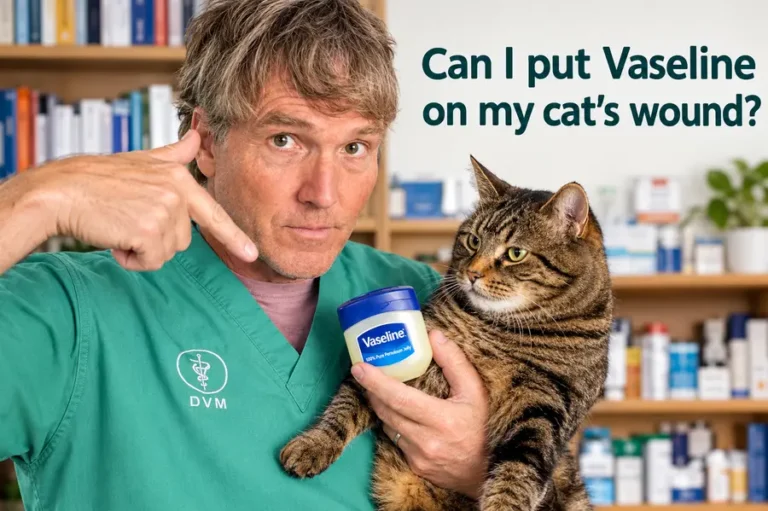
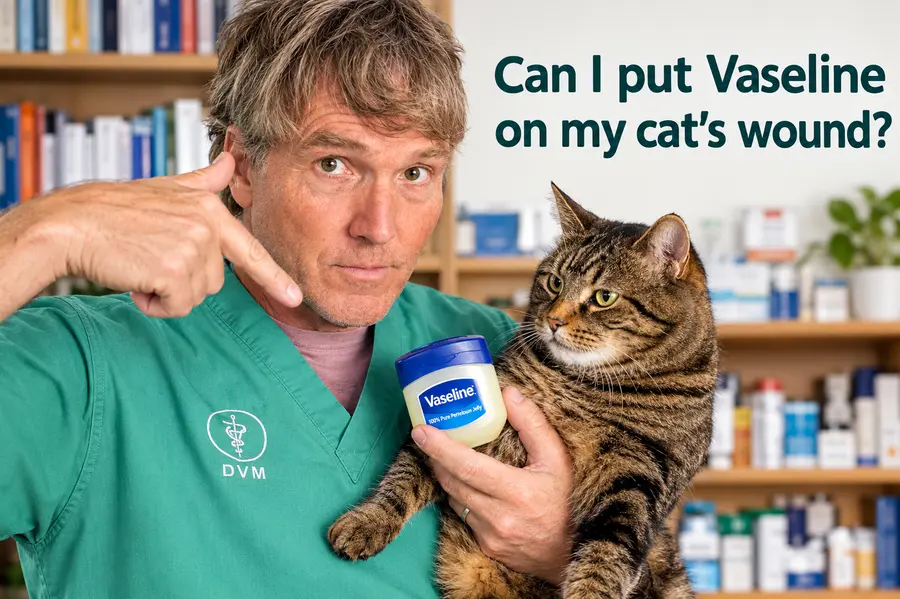
- Human creams and ointments: Your cat will lick them and swallow them. Diaper cream containing zinc oxide can cause stomach upset, and a small amount of some pain creams can lead to kidney failure in cats. Also avoid using Neosporin and petroleum jelly like Vaseline on the wound.
- Antiseptics: Alcohol and hydrogen peroxide damage the healthy cells and retards healing.
- Essential oils: Tea tree oil is the most common essential oil reported to be poisonous to pets, and a small amount can result in high levels of poisoning.
- Bitter sprays: Consult your veterinarian before using them.
A tight bandage should never be applied to the wound unless instructed by your veterinarian, as it has the potential to restrict blood circulation. Tight bands on the toes can be determined by swollen toes below the bandage. Do not attempt to repair at home; contact your vet.
5. Prevent Access to the Wound
Use the appropriate protection where the wound is present. Prevent rubbing or scratching the wound on furniture.
Avoid putting your cat down and do not continually remove the cone. Difficult to put back in place, remove it only when advised by your vet and when you can keep an eye on your cat.
One true story illustrates this. On day 4 of a 10-day plan, an owner removed the cone and the cat licked her spay wound open. The veterinarian noted that the edges of the wound were thickened and there was a bit of dead tissue, and the wound should be cleaned and trimmed. The healing progressed in a day-by-day manner up to the recheck on day 14.
6. Use a Bandage Only If Your Vet Says So
A bandage for a paw or leg wound can be used to cover the wound, but should only be applied by your vet. A tight bandage can obstruct blood flow, and if the toes are swollen below the bandage, it is too tight. Check it twice a day, and keep it clean and dry. If it becomes wet or soiled, contact your veterinarian. Your vet may put a cone on your cat if he or she chews on it. Do not fix or replace a bandage at home.
7. Try a Pet Onesie (Baby Onesie) for Body Wounds
One alternative home idea is to use a baby onesie as a baby outfit. It may prevent your cat from reaching a wound on the belly, chest, or back, but it works just like a recovery suit. It will not be applied to legs, paws, face, or tail. Snug fits make for a better onesie, as it can bunch up and irritate your cat. Get the cat’s claws trimmed, and choose a zipper over snaps. Do not use without consulting your veterinarian.
Why Should You Stop a Cat from Licking Its Wound?
Almost any cat wound starts healing better when your cat leaves it alone. A cat’s wound heals in stages if we provide proper care. Saliva carries bacteria, and constant licking can damage skin and slow healing. Three situations call for extra care.
After Surgery
Licking may cause the stitches to be pulled out, leading to bleeding or reopening of the wound. It may introduce germs into a clean incision as well.
Trauma
Outdoor cats get scrapes, cuts, and sore paw pads. Do not let your pet lick them, as they can make them worse. Have your veterinarian examine them.
Cat Fights
A bite wound may appear very small but contain lots of deep punctures. More than 90% of cat wounds are infected due to cat bites. The holes close quickly and are filled with bacteria, which can cause a pocket of pus (abscess) and fever. Licking will not fix a bite, so call your vet.
Which Method Works Best for Different Cat Wounds?
The wound’s location and depth decide the safest option.
- Surgical incision: Use the cone or recovery gear your vet recommends.
- Paw or leg wound: Try a properly fitted cone, because clothing does not cover these areas.
- Abdominal wound: A vet-approved recovery suit may work well.
- Tail wound: Use a cone or another method your vet suggests.
- Face or head wound: Ask your vet about protection that does not block eating, breathing, or sight.
What Not to Do When Your Cat Keeps Licking a Wound
- Surgery cut: Use the cone or recovery equipment recommended by your vet.
- Paw or leg wound: Use a well-fitted cone, but not a piece of clothing.
- Abdominal wound: A vet-approved recovery suit can be used for abdominal wounds.
- Tail wound: If the wound is on the tail, apply a cone or something that your vet recommends.
If you have a face or head wound, consult your vet for protection that won’t interfere with breathing, eating, or seeing.
When Should You Take Your Cat to the Vet?
Call your vet right away if you see any of these signs:
- Redness, swelling, warmth, or pain that keeps growing
- Pus, a foul smell, or bleeding that lasts more than 24 hours
- A wound that reopens or does not heal
- Missing stitches, or an incision that pulls apart
- Low energy, loss of appetite, or other signs of illness
Seek care fast for deep wounds, heavy bleeding, bite wounds, or symptoms that get worse quickly.
Bite wounds deserve extra care, since cat bites cause over 90% of infected wounds in cats. The small holes seal over fast and trap bacteria under the skin, and infection can grow unseen for several days. If you know your cat was in a fight, call your vet at once. Also call if your cat keeps licking despite a cone or suit, so your vet can check for pain, itching, or infection.
Frequently Asked Questions
Should I Let My Cat Lick Its Wound?
No. Repeated licking can delay healing, open the wound, and cause infection. Block access until it heals.
How Long Should a Cat Wear a Cone After a Wound?
It depends on the wound and your vet’s advice. Most cats wear a cone for 7 to 14 days after surgery, while others need it for a few weeks.
Can I Use a Baby Onesie to Stop My Cat Licking Its Wound?
A onesie may work for a wound on the belly, chest, or back, but it will not cover legs, paws, the face, or the tail. It must fit snugly, stay clean and dry, and cover the wound fully. Ask your vet before you use one.
What Can I Put on My Cat’s Wound to Stop Licking?
Nothing you apply will reliably stop licking, because your cat can lick off creams and sprays. Some products are toxic when swallowed, so use a topical product only if your vet approves it.
Why Does My Cat Keep Licking Its Wound Even with a Cone?
The cone may not fit well, so your cat may still reach the wound. Pain, itching, irritation, or anxiety can also drive the licking. Check the fit, then call your vet.