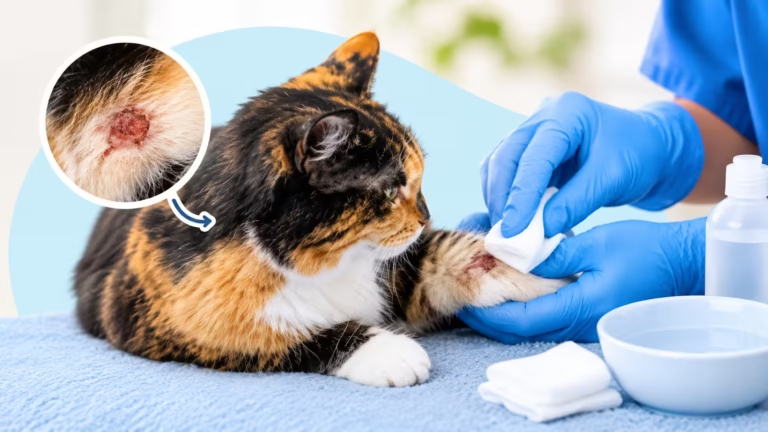

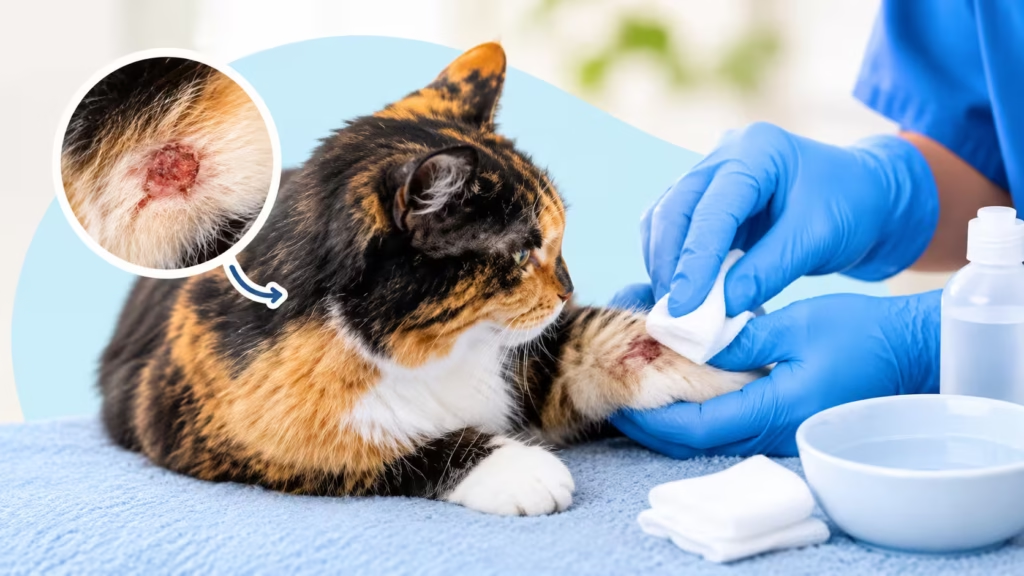
Knowing how to clean a cat wound can help to prevent the wound from getting infected and support healing. A minor cat bite or wound may be safely cleaned at home, but if the cat bite is deep or dirty, a cat puncture, bleeding profusely, or there is any infection present, veterinary care is required. If the wound is small and superficial, apply sterile saline or clean, lukewarm water to the wound and keep your cat from licking it. Don’t use hydrogen peroxide, rubbing alcohol, essential oils, or other products that are too strong for healing tissue.
“Use a fresh cotton ball for each wipe and clean in one direction only. This reduces contamination.”
When to Clean a Cat Wound at Home vs. When to See a Vet
Not all wounds are an emergency, and if you know which ones are, you can make sure your cat gets the proper treatment and doesn’t suffer complications.
Wounds You Can Clean at Home:
Some minor wounds or superficial abrasions may be cleaned at home if they are small cuts, scratches, or bleeding is minimal. Minor lacerations, which do not involve deeper tissues or organs, can often heal without significant intervention. Sometimes small, superficial scratches and cuts that bleed a little can be cleaned at home if your cat is otherwise doing fine. A veterinarian should examine all puncture, bite, or gaping wounds. If a recent wound is only superficially injured, does not bleed heavily, or does not appear to be heavily contaminated, basic first aid may be appropriate. Don’t hesitate to take your cat to a veterinarian or at least consult a vet online if you’re not sure.
When Veterinary Care is Required:
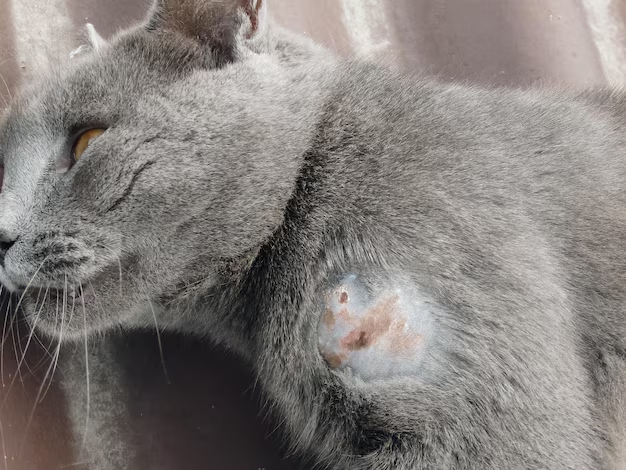
If the wound is deep and does not stop bleeding after about 10-15 minutes of direct pressure, seek veterinary attention as soon as possible. Puncture wounds, particularly from other cats, should be treated by a vet because they close rapidly, allowing bacteria to enter the skin and cause infection or develop into an abscess.
Other signs are injuries with exposed bones, tendons, or muscle; signs of infection (pus, foul smell, excessive swelling, heat); and wounds near sensitive areas (eyes, mouth, joints) that may need veterinarian evaluation, particularly if the wound is deep, painful, contaminated, or interferes with movement. If your cat is showing signs of pain, fever, lethargy, and/or inappetence, do not wait; contact your veterinarian right away.
Supplies Needed to Clean a Cat Wound
Having the right supplies on hand makes wound care much easier and safer for both you and your cat.
Essential items:
- Sterile saline solution.
- Clean gauze pads or soft, lint-free cloths.
- Blunt-tipped scissors for trimming fur (optional).
- Sterile lubricant (like K-Y Jelly) to protect the wound during fur trimming.
- Diluted chlorhexidine solution (0.05% to 0.2%) if your vet recommends it.
- A clean towel for gently restraining your cat.
- Elizabethan collar to prevent licking.
Vet Advice: What NOT to Use on a Cat Wound
Avoid using:
- Hydrogen peroxide repeatedly: Can damage healing tissue.
- Rubbing alcohol: Causes irritation and delays healing.
- Undiluted iodine solutions: Can burn sensitive skin.
- Tea tree oil or essential oils: Toxic to cats.
- Human antibiotic creams with pain relievers: Unsafe if ingested.
- DIY remedies like turmeric, baking soda, or powders: Can contaminate the wound.
Dr. Amina Ramzan, DVM, says, “One of the most common mistakes pet owners make is applying household products that can actually worsen a cat’s wound. Products like rubbing alcohol, repeated hydrogen peroxide use, undiluted iodine, essential oils, and human pain-relief ointments can damage healthy tissue, delay healing, or become toxic if licked. For most minor wounds, gentle saline flushing and veterinarian-approved antiseptics are the safest approach.”
Safe alternatives veterinarians commonly recommend include sterile saline, homemade saline solution, and properly diluted chlorhexidine when approved by your vet.
When to Stop Home Treatment
Stop cleaning at home and contact your veterinarian immediately if you notice:
- Swelling
- Yellow or green discharge
- Bad odor
- Increased redness
- Your cat hiding, limping, or refusing food
Step-by-Step Guide: How to Clean a Cat Wound
Step 1: Prepare Your Cat and Workspace
Choose a quiet, well-lit area where you can work comfortably. Talk quietly and move gently to avoid startling and scaring your cat. In cases of anxiety or if your cat is in great distress, make sure to wrap them in a towel, leaving only the injured area uncovered. This “burrito technique” can be used to reduce the risk of scratching and to create a sense of security. Before you start, make sure to have everything you need within easy reach.
Step 2: Examine the Wound Carefully
Determine the severity of the wound before washing. Check the depth and length, and ensure there is no foreign material, such as dirt, grass, or debris, visible. If the wound is still bleeding or there is discharge. Take note of the wound site. Wounds on the face, paws, or joints are more likely to cause complications. If the wound opens up too much or you see exposed bone, muscle, or tendons, discontinue home treatment and seek veterinary care right away.
Step 3: Trim Fur Around the Wound
If necessary, carefully trim the fur around the wound to prevent contamination. Lubricate the wound with a small amount of sterile lubricant before cutting fur around the wound. This helps to trap loose hairs and prevent them from entering the wound. Always use blunt-tipped scissors, and proceed slowly and carefully to avoid nicking the skin or causing further trauma.
Step 4: Flush the Wound with Saline Solution
This is the most important cleaning step. Gently flush the wound with sterile saline to flush out debris and bacteria. You can pour the solution directly over the wound or use a clean syringe without a needle for better control. Do not rub, but allow the solution to flow over the wound.
If sterile saline is not available, then lukewarm tap water can be used to gently rinse a minor wound. Flush the wound gently, and remove all dirt and debris. Never scratch or vigorously spray the wound.
Step 5: Apply a Safe Antiseptic Solution
Sterile saline or clean, lukewarm water works for many small wounds for flushing. If necessary, your veterinarian might prescribe an appropriate diluted antiseptic, like chlorhexidine, for some wounds. Avoid using concentrated chlorhexidine or surgical scrub directly onto an open wound, unless advised to do so by your veterinarian.
Step 6: Decide on Bandaging
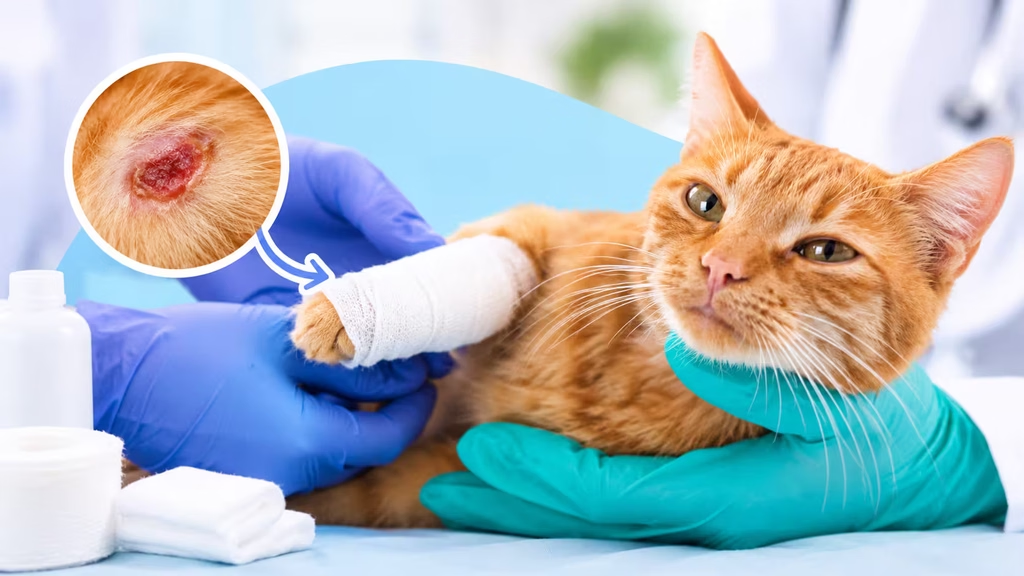
Not all wounds require bandages. Some wounds may need to be left open for healing while others might need a protective dressing. Ask your veterinarian before putting a bandage on a wound at home, as incorrect placement can lead to swelling, reduced blood flow, or moisture retention.
If a wound is in a place where your cat is able to lick it, or if the wound continues to dribble, though, it may be necessary to use a light bandage. When in doubt, ask your vet about the correct bandaging technique; bandages can work against you if they are either too tight or become wet.
Step 7: Monitor Your Cat
Monitor the wound and watch your cat carefully. Keep your cat from licking, biting, or scratching the injured area because licking can irritate the wound, tear down healing tissue, and introduce bacteria. Use an E-collar to stop the cat from licking. Do not let your cat out during healing to avoid wound contamination or dirt.
How Often Should You Clean a Cat Wound?
The cleaning frequency depends on your wound’s condition and your veterinarian’s instructions. If your vet has intentionally left a wound open to drain (e.g., lanced abscesses), it will probably need to be cleaned 2-3 times daily for the first few days. This periodic cleaning helps to maintain clean edges of the wound, which facilitates drainage.
If the wound is small and can be treated at home, it may require some simple cleaning once a day or when necessary to clear away any visible debris. If your veterinarian has stated a specific cleaning schedule, then clean at that time. As the wound begins to heal and develops healthy pink granulation tissue, you may be able to reduce cleaning frequency.
Remember, each type of wound needs to be treated a different way, so always follow your veterinarian’s particular directions. Do not self-medicate or escalate treatment if the wound does not heal or if you notice signs of infection; seek veterinary attention.
Signs Your Cat’s Wound is Healing Properly
Recognize healthy healing and know when things don’t sound right.
Positive signs: The wound should gradually decrease in size each day. Granulation tissue should be pink, slightly moist, and bumpy, and is a really good indicator that healing is going along well. The edges of the wound should begin to close, and there should be little or clear drainage, not thick or coloured.
Your cat’s behavior will return to normal. They will eat well, move around, and will not seem to be in pain when you gently touch the area. Small wounds should improve as they heal over time, although the duration depends on the depth, location, contamination, and health of your cat.
Symptoms to look out for: If you see more redness, swelling, or warmth around the wound, call your vet right away. If it’s thick and coloured yellow, green, or brown, or if it smells bad, it’s infected. If the wound is opening up and not healing after several days, or the skin turns black, these are both concerning. Behavioral changes, such as lethargy, loss of appetite, fever, or increased pain, also require immediate veterinary attention.
Common Mistakes to Avoid When Cleaning Cat Wounds
With all the good intentions, there are some things that can complicate your cat’s recovery. Avoid harsh chemicals such as hydrogen peroxide or rubbing alcohol; they can cause damage to healthy tissue and can delay healing. Do not over-clean the wound, or healthy tissue will not develop. Take no chances with minor signs of infection or if your cat acts differently, because it is not fine.
If your veterinarian prescribes antibiotic treatment, follow this advice exactly and do not stop, switch, or extend the treatment without your veterinarian’s advice. Finally, don’t let your cat go outside during healing. When wounds break open in the outdoors, they are vulnerable to dirt, bacteria, and possible trauma, which can easily escalate into a major issue.
Frequently Asked Questions
Can I use salt water to clean my cat’s wound?
Yes, Sterile saline is preferred when available. If you need to make a temporary saline solution at home, dissolve approximately 1 level teaspoon of salt in 2 cups (500 mL) of water. Allow it to cool to a lukewarm temperature before use.
Can I put Neosporin on my cat’s wound?
Only if your veterinarian specifically recommends it. While some plain antibiotic ointments may be used in certain situations, many human wound creams contain ingredients that can be harmful if licked. Never use Neosporin products that contain pain-relief ingredients.
How often should I clean a cat wound?
Most minor wounds only need gentle cleaning once daily. If the wound is draining or was specifically left open by a veterinarian, cleaning may be needed two to three times per day. Over-cleaning can irritate tissue and slow healing.
Should I bandage my cat’s wound?
Not always. Some minor wounds may be left uncovered, while others need protection from contamination or licking. Follow your veterinarian’s advice based on the wound’s location and severity. Bandages are usually only needed if the wound is actively oozing, located where it may become contaminated, or if your cat keeps licking the area.
What is the safest antiseptic for a cat wound?
Chlorhexidine may be recommended by a veterinarian for certain wounds, but the correct product and dilution matter. Do not apply concentrated chlorhexidine or surgical scrub directly to an open wound unless your veterinarian specifically instructs you to do so.
Can I use hydrogen peroxide on my cat’s wound?
Hydrogen peroxide is generally not recommended for cleaning cat wounds because it can damage healthy tissue and delay healing. Sterile saline or clean lukewarm water is usually preferred for gentle flushing.
How do I know if my cat’s wound is infected?
Signs of infection include:
- Swelling
- Redness that worsens
- Yellow or green discharge
- Foul odor
- Warmth around the wound
- Pain when touched
- Lethargy or loss of appetite
If you notice these signs, contact your veterinarian promptly.
When should I take my cat to the vet for a wound?
Seek veterinary care immediately if the wound is:
- Deep or punctured
- Bleeding heavily
- Caused by another animal bite
- Located near the eye, paw, or joint
- Producing pus or odor
- Not improving within 48 hours
Cat bite wounds often seal quickly and trap bacteria under the skin, which can lead to serious infection.
Sources and Citations
- VCA Animal Hospitals. “Care of Open Wounds in Cats.“
- PetMD. “Wound Care For Cats: How to Care For Your Cat During Recovery.“
- Joii Pet Care. “Cleaning wounds in cats.“
- PetMD. “Cat Abscesses: What Are They, and How Do You Treat Them?“
- VCA Animal Hospitals. “Fight Wound Infections in Cats.“
- VCA Animal Hospitals. “Chlorhexidine Topical.“
- PetPlace.com. “Chlorhexidine for Dogs and Cats: Uses, Benefits & Safety Tips.“
- Pewaukee Veterinary Service. “How to Clean and Treat a Cat Wound.“
- Manuka Vet. “General Wound Care Advice for Cats.“
- The Cat Hospital. “The Ultimate Guide to At-Home Wound Care for Cats.“