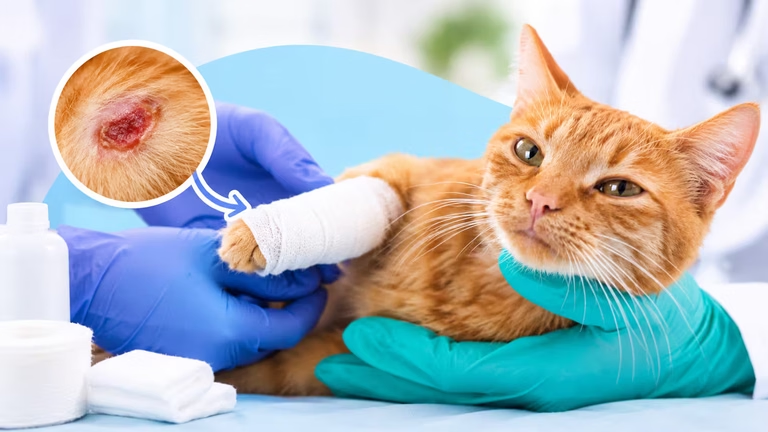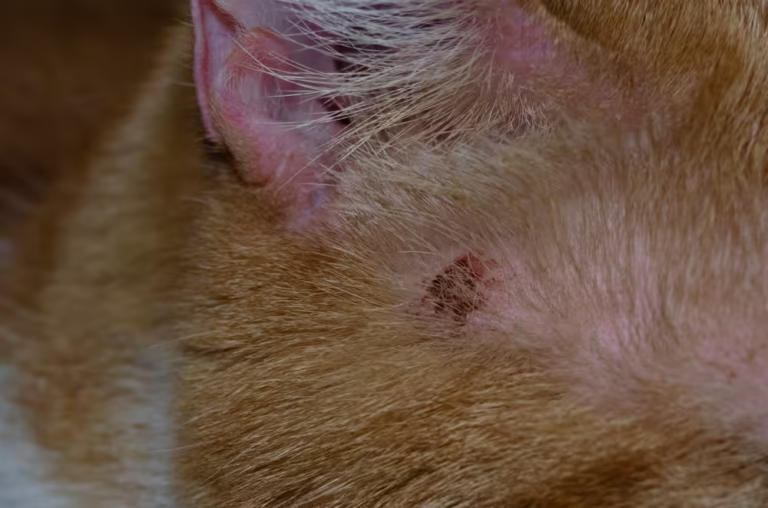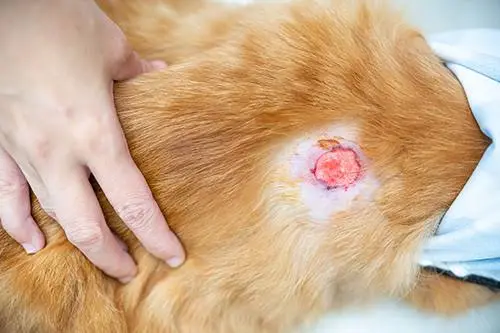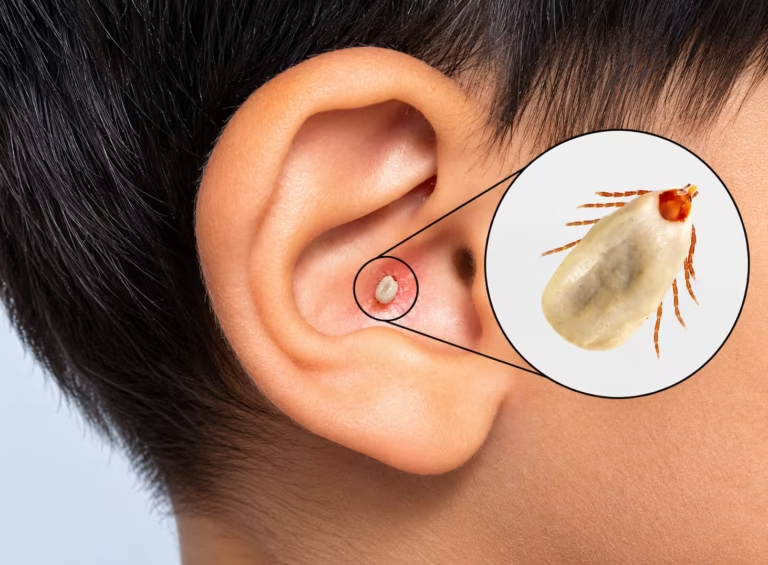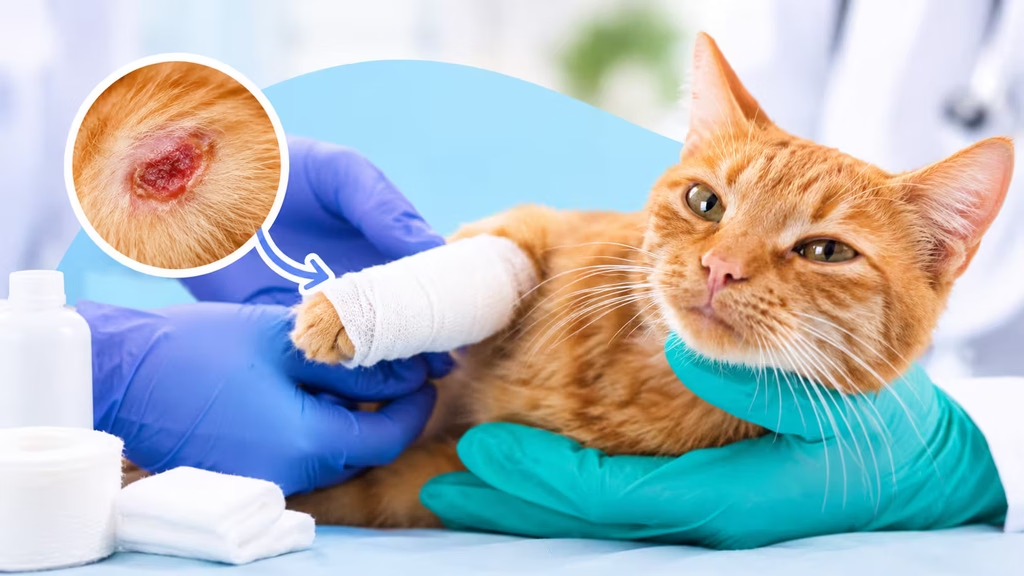

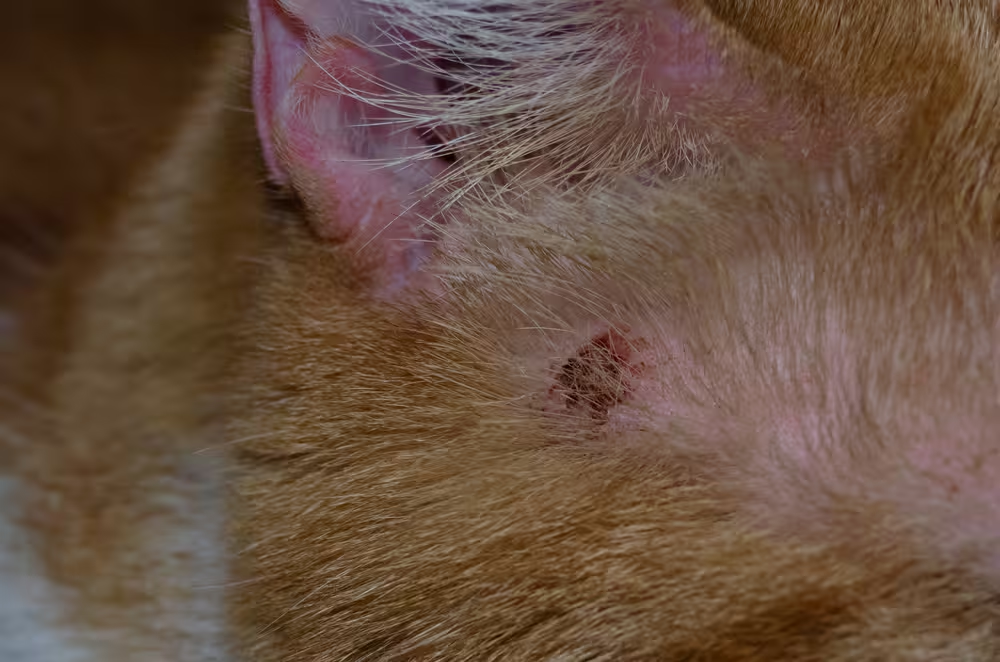
Your cat’s wound may not be healing due to infection, poor blood circulation, trapped foreign material, excessive licking, or underlying conditions like diabetes. Delayed healing can also result from improper wound care or repeated injury.
If the wound remains open, swollen, or produces discharge, consult your veterinarian promptly. Meanwhile, prevent licking, keep the wound clean using veterinary-approved methods, and avoid harsh antiseptics that can damage healing tissue.
How Normal Wound Healing Works
Wound healing occurs through a similar process in most tissues in the body. It consists of three major stages: inflammatory, proliferative, and remodeling. However, many veterinary sources break this down into four distinct phases that are easier to recognize:
- Inflammatory Phase (Days 1-3): Within minutes of injury, blood vessels constrict to stop bleeding, then dilate to allow white blood cells to flood the area. You’ll notice redness, warmth, and swelling. This is normal and necessary. Your cat’s body is mobilizing its defenses against bacteria and debris.
- Debridement Phase (Days 2-5): White blood cells work overtime, consuming dead tissue and bacteria. Wound fluid naturally flushes out contaminants. This phase overlaps with inflammation and is crucial for preventing infection.
- Repair Phase (Days 3-21): The repair stage is responsible for repairing the wound and building it back up to normal. New tissue called granulation tissue begins filling the wound bed. This tissue appears pink and moist and may bleed easily if touched. Fibroblasts produce collagen to strengthen the area, while new blood vessels grow to supply nutrients. The wound edges begin contracting inward.
- Maturation Phase (Weeks 3-24 months): Collagen fibers reorganize and strengthen. The wound continues to gain tensile strength, though it typically reaches only 80-85% of the original tissue’s strength.
“When a wound fails to close, identifying the cause is often the first step toward lasting recovery.”
What Healthy Healing Looks Like
Granulation tissue, which appears pink and moist and may bleed easily if prodded, is a good sign of normal wound healing. You should see:
- Progressive shrinking of the wound size
- Pink, healthy-looking tissue in the wound bed
- Minimal clear or slightly blood-tinged discharge
- Decreasing redness and swelling around the edges
- Your cat showing less interest in the wound over time
- No foul odor
A small amount of clear or slightly cloudy discharge is normal, but thick, yellow, green, or foul-smelling discharge indicates infection.
Common Reasons a Wound Doesn’t Heal
A cat’s wound may fail to heal due to local complications, underlying medical conditions, environmental factors, or improper treatment.
(Wound-Specific) Causes
- Infection: Bacteria, particularly from bites or puncture wounds, cause swelling, redness, discharge, and foul odors, delaying healing.
- Foreign Bodies: Embedded dirt, glass, plant material, or claw fragments trigger persistent inflammation.
- Poor Blood Supply: Reduced circulation, especially in the lower legs, tail tip, or older cats, limits oxygen and nutrient delivery.
- Excessive Motion or Tension: Movement around joints repeatedly pulls wound edges apart.
- Inadequate Debridement: Dead tissue prevents repair and encourages bacterial growth.
Dr Amina Ramzan, DVM, says,
Recurring redness, swelling, or discharge can signal that your cat’s wound needs professional attention.
Medical Causes
- Diabetes Mellitus: High blood sugar impairs circulation, immune function, and infection control.
- Feline Immunodeficiency Virus (FIV): Immune suppression can increase infection risk and delay healing.
- Feline Leukemia Virus (FeLV): Weakens immunity and affects bone marrow function, potentially impairing recovery.
- Kidney Disease: Disrupts metabolism, toxin removal, and sometimes circulation.
- Malnutrition: Insufficient protein, energy, zinc, and vitamins A, C, and E can impair tissue repair.
- Cancer: Non-healing lesions may be cancerous or affected by cancer-related immune dysfunction.
- Obesity: Poor circulation in fatty tissue, increased wound tension, and altered immune responses delay recovery.
- Thyroid Disorders: Hypothyroidism or hyperthyroidism can disrupt metabolism and tissue repair.
- Medications: Corticosteroids, chemotherapy, and certain other drugs can suppress healing.
Behavioral & Environmental Causes
- Self-Trauma: Licking, scratching, or chewing damages new tissue and introduces bacteria.
- Stress: Elevated cortisol may impair immunity, while excessive grooming worsens wounds.
- Environmental Contamination: Dirty litter boxes, dust, and outdoor exposure increase contamination risks.
- Temperature: Cold reduces circulation, while excessive heat may encourage bacterial growth.
Surgical Causes
- Improper Wound Closure: Sutures that are too tight restrict circulation, while loose sutures allow wound separation.
- Surgical Complications: Seromas, hematomas, and wound dehiscence interfere with healing.
- Inappropriate Treatment: Hydrogen peroxide, alcohol, and other harsh products can damage healing tissue.
How to Tell If a Wound Is Infected or Dangerous
Not all wound problems are created equal. Some situations require immediate veterinary attention, while others can be monitored at home.
- Get veterinary care immediately if you notice:
- Heavy bleeding that doesn’t stop after five to ten minutes of direct pressure
- Exposed muscle, bone, tendons, or organs
- Wounds larger than a quarter or deeper than a quarter inch
- Puncture wounds, especially from cat bites (these almost always become infected)
- Thick yellow, green, or gray discharge with a foul odor
- Tissue that appears black, gray, or dry and crusty
- Fever, lethargy, loss of appetite, or vomiting
- Rapid swelling that feels hot to the touch
- Red streaks extending from the wound
- Wounds that suddenly open after appearing to heal
- Any wound showing no improvement or worsening after 48-72 hours of home care
How to Help Your Cat’s Wound Heal
Keep your cat’s wound clean by gently rinsing it with sterile saline or clean water. Prevent your cat from licking or scratching the wound by using a protective cone. Avoid hydrogen peroxide, alcohol, and unapproved creams, as they can damage healing tissue.
Provide fresh water, nutritious food, and a clean, comfortable resting area. Check the wound daily for redness, swelling, discharge, or a bad smell. Contact your veterinarian if the wound worsens, shows signs of infection, or fails to improve. Deep, bleeding, or infected wounds need prompt veterinary care.
When to See the Vet and What They’ll Do
Understanding what happens at the veterinary clinic can ease your anxiety and help you prepare.
What to Tell the Vet
Prepare this information before your appointment:
- When and how the injury occurred
- All treatments you’ve tried at home
- Your cat’s vaccination history, especially rabies
- Any known health conditions or medications
- Whether your cat goes outdoors or has contact with other animals
- Changes in behavior, appetite, water consumption, or litter box habits
- Whether the wound is getting better, worse, or staying the same
Bringing photos showing the wound’s progression can be incredibly helpful.
What Will Your Veterinarian Do?
Your veterinarian will likely perform:
- Physical Examination: Thorough assessment of the wound’s depth, size, and characteristics, plus evaluation of your cat’s overall health, temperature, and lymph nodes.
- Wound Culture: For infected wounds, your vet may collect a sample to identify specific bacteria and determine which antibiotics will work best. This helps prevent antibiotic resistance.
- Blood Work: Complete blood counts and chemistry panels can reveal underlying conditions like diabetes, kidney disease, or infection. Testing for FIV and FeLV may be recommended, especially for outdoor cats or those with bite wounds.
- Imaging: X-rays help identify foreign bodies, evaluate bone involvement, or assess the extent of damage. Ultrasound may be used for deep wounds or abscesses.
- Biopsy: If your vet suspects cancer or unusual infections, tissue samples may be sent to a laboratory for analysis.
Typical Vet Treatments
- Wound Cleaning and Debridement: Under sedation or anesthesia, your vet will thoroughly clean the wound, removing dead tissue, debris, and contaminated material. This gives healthy tissue a fresh start.
- Antibiotics: Based on culture results or clinical judgment, your vet will prescribe appropriate antibiotics. These might be oral, injectable, or topical.
- Pain Management: Cats are masters at hiding pain. Your vet will prescribe appropriate pain medication to keep your cat comfortable and reduce stress-related healing delays.
- Surgical Repair: Some wounds benefit from stitches, surgical drains, or skin grafts. Your vet might close a wound immediately (primary closure) or wait several days after infection is controlled (delayed closure).
- Bandaging: Professional bandaging protects wounds while allowing air circulation and drainage. Your vet will teach you how to keep bandages dry and when to return for changes.
- Drain Placement: For large pockets of fluid or infection, surgical drains allow continuous discharge and prevent abscess formation.
Advanced & Specialized Treatment That Can Be an Option
When standard treatments aren’t enough, veterinary medicine offers more sophisticated approaches.
- Platelet-Rich Plasma (PRP) Therapy: Platelet-rich plasma has been widely and safely used in both animal and human patients. This therapy concentrates healing factors from your cat’s own blood and injects them into the wound. Research shows wounds healing completely within 20 days with no adverse reactions in some cases.
- Negative Pressure Wound Therapy (NPWT): Also called wound VAC therapy, this technique uses controlled suction to remove fluid, increase blood flow, and draw wound edges together. While more commonly used in dogs, it can be adapted for cats with large or contaminated wounds.
- Medical-Grade Honey: Clinical-grade honey has remarkable antimicrobial and anti-inflammatory properties. It promotes granulation tissue formation and can be particularly helpful for infected or highly inflamed wounds.
- Hyperbaric Oxygen Therapy: This specialized treatment delivers high concentrations of oxygen to tissues, fighting infection and promoting healing. It’s typically reserved for severe or complicated cases.
- Skin Grafts and Reconstructive Surgery: For extensive tissue loss, your vet may recommend grafting healthy skin from another part of your cat’s body or using specialized surgical techniques to close large defects.
- Omentalization: This technique uses tissue from the abdomen called the omentum to provide a blood supply and help fill dead space in chronic wounds.
- Advanced Wound Dressings: Modern wound care includes specialized products like silver-based dressings with antimicrobial properties, foam dressings that manage moisture, and hydrogel dressings that promote autolytic debridement.
These advanced options typically require referral to veterinary specialists and can be expensive, but they may be worth considering for severe or non-responsive wounds.
FAQs On Cat Wound Not Healing
When should I worry about my cat’s wound?
Minor wounds should improve within three to five days. If healing stalls after 72 hours or the wound remains unhealed after four weeks, consult your veterinarian to investigate possible complications.
Can I use /hydrogen peroxide/topical cream?
Always consult your veterinarian before applying any product to your cat’s wound. Hydrogen peroxide and rubbing alcohol damage healthy tissue and delay healing despite their antibacterial properties. Many over-the-counter antibiotic ointments contain ingredients that are toxic to cats or interfere with normal healing. Products containing pain relievers like benzocaine or lidocaine can be absorbed through the skin and cause serious toxicity. Your vet can recommend appropriate wound care products specifically safe and effective for feline use.
Could a hidden illness be the reason?
Absolutely. Chronic conditions like diabetes, feline immunodeficiency virus, feline leukemia virus, kidney disease, and cancer can all significantly impair wound healing. Nutritional deficiencies, obesity, and certain medications also interfere with normal healing processes. This is why persistent non-healing wounds require comprehensive diagnostic workup, including blood tests and possibly imaging. Identifying and managing underlying conditions is often the key to successful wound healing. Your vet may recommend testing for these conditions if wounds heal unusually slowly or if your cat has other subtle health changes.
Will my cat need surgery?
It depends on wound location and size, how long it’s been present, degree of infection, and underlying tissue damage. Many wounds heal successfully with medical management, including antibiotics, wound cleaning, and bandaging. However, surgery may be necessary if there’s significant dead tissue requiring removal, deep infection needing drainage, or if the wound can benefit from surgical closure to speed healing. Large wounds, those over joints, or wounds with extensive tissue loss may require reconstructive surgery including skin grafts or flaps. Your veterinarian will discuss surgical options if they would benefit your cat’s specific situation.