

A cat’s wound may smell bad because of a bacterial infection, pus, dead tissue, or trapped discharge. A strong or worsening odor is not normal, and it means that your cat needs veterinary treatment.
To fix the problem, keep the wound clean with saline, prevent your cat from licking it, and avoid applying human creams or harsh disinfectants. Contact your vet promptly, especially if you notice swelling, redness, pus, or pain.
Is a Bad-Smelling Cat Wound Normal?
Most minor scrapes or cuts may have almost no odor or just a light metallic tang from dried blood. A strong, unpleasant smell is not a normal part of healing. When a wound begins to stink, it usually means bacteria are growing. Infected wounds often produce green/yellow pus or thick discharge, which smells bad.
Normal wound smells vs warning odors
During normal healing, you may see some pink, moist tissue (granulation) at the wound’s edges. This stage has minimal odor and is a good sign. In contrast, warning odors are characterized by:
- Putrid or rotten smell: like decaying flesh.
- Sickly sweet or fruity smell: often tied to certain bacteria
- Strong ammonia-like or pungent scent: another Sign of heavy infection.
If you notice any of these odors, it indicates bacteria (especially anaerobes) are at work. This is not normal. Even if the wound looks partly healed on the outside, a new foul smell is cause for concern.
When smell alone is a red flag
Even if you can’t see redness, swelling, or discharge, a new bad smell by itself is a red flag. In practice, a wound that suddenly stinks, especially deep bite or puncture wounds, needs immediate veterinary attention. In short, trust your instincts: any persistent or foul odor from a cat’s wound is not normal and typically signals that a serious problem needs fixing.
Most Common Reasons a Cat’s Wound Smells Bad
Several issues can make a healing cat wound smell. The most common causes are usually related to infections or trapped fluid.
Bacterial infection in the wound
Cats’ mouths and environments harbor bacteria (like Pasteurella, Staphylococcus, anaerobes, etc.). If these bacteria get into an open wound, they multiply and break down tissue. The infection process itself creates smelly byproducts. For instance, fight wounds commonly become infected because a puncture seals quickly and traps oral bacteria under the skin. The trapped bacteria then cause pus formation and odor. In short, bacterial infection is the number one cause of a foul smell. If a vet prescribes antibiotics for a wound, it’s because these bacteria can’t be cleared without them.
Pus and trapped discharge
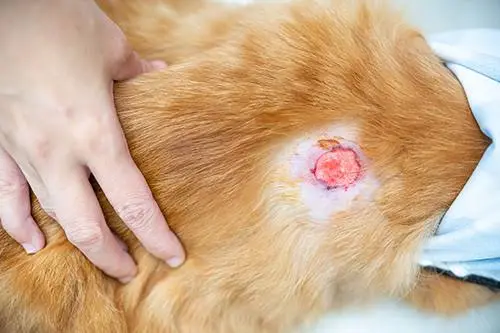
When bacteria infect a wound, the body sends white blood cells to fight them off. Those cells (and bacteria and dead tissue) form pus, a thick yellowish or greenish fluid. Pus itself often has a very unpleasant smell, and when it pools or is trapped under a scab, the odor becomes especially strong. Cat bites create “liquefied” wound drainage that manifests as pus, pain, and smell. So if you see yellow/green gunk oozing or smell it, it’s almost always infection. Even with no visible pus, “oozing” wounds that emit a bad odor are usually infected.
Abscess from a bite or puncture wound
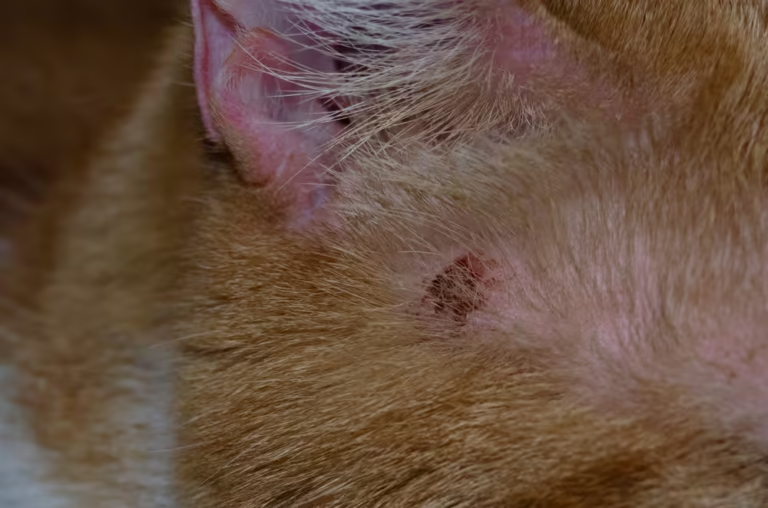
Cats often get abscesses from fights or rough play. A small bite or puncture may seal instantly, forming a closed pocket under the skin. Inside that pocket, bacteria multiply and form an abscess, essentially a pus-filled sac. When the abscess is opened (naturally or by a vet), it releases thick pus with a very foul odor. Abscesses from cat bites can cause “severe, painful swelling” and eventually drain foul-smelling pus. In practice, any new pocket of swelling on your cat after a fight, especially if it starts to leak fluid, often means a nasty-smelling abscess. The bad odor is literally the smell of an infection trapped under the skin.
Dead or necrotic tissue
If part of a wound’s tissue dies (necrosis), it will smell terrible. Think of how any dead flesh smells to us: basically rotten meat. Necrotic (dead) skin often turns black or brown and “develop[s] a characteristic, unpleasant odor”. This can happen if blood flow is cut off (from a tight bandage or deep injury) or if an infection kills tissue. In any case, necrotic wounds stink and are a medical emergency. A blackening wound with a putrid odor definitely needs immediate vet care.
Wound not healing properly
Sometimes wounds (especially deep or complex ones) just don’t close up quickly. A non-healing wound can continue to accumulate discharge and bacteria, leading to a chronic smell. For example, a wound that oozes fluid continuously often emits an unpleasant odor because it stays moist and infected. In this case, the wound may flare up again and again with a bad smell each time. Chronic, non-healing wounds warrant veterinary attention, as they may signal an infection, foreign debris, or underlying health issue.
Post-surgery wound complications
Even surgical cuts can get infected if not properly protected. Normally, a clean incision has little odor. But if bacteria invade. For example, from the cat licking the site, the area can develop redness, discharge, and a bad smell. Vet advice is clear: “A foul smell is not typically part of normal healing and may indicate an infection.” After surgery, also watch for any unusual discharge: yellow, green, or bloody fluids all suggest trouble. In summary, if a fresh surgical wound starts to smell or have pus, it needs prompt veterinary care.
What Different Wound Smells Can Indicate
Certain odors carry clues about what’s happening under the skin. Here’s what common smells often mean in wound care:
Foul or rotten smell
A rotten meat smell usually points to anaerobic (oxygen-hating) bacteria and tissue breakdown. These bacteria (like Clostridium species) produce putrid gases as they feast on dead tissue. If a cat wound smells foul or putrid, think severe infection and necrosis. Veterinary experts warn that putrid odors suggest tissue death and deep infection. In simple terms: rotten smell = bad, get help fast.
Sweet or sickly odor
A sweet or fruity odor is less common but can signal specific bacteria, such as Pseudomonas aeruginosa, that give off a grape- or pineapple-like smell. Pseudomonas is sometimes found in chronic wounds or abscesses. If you notice a sickly-sweet scent, it’s still a warning. These bacteria can cause tough infections that need special antibiotics. For example, wound care literature notes a sweet odor may indicate Pseudomonas infection, often accompanied by a greenish discharge.
Metallic or bloody smell
A metallic or “iron-like” smell generally comes from blood in the wound. Fresh blood has a faintly metallic scent due to iron. A small amount of bloody discharge can impart this smell, and that can be normal (especially right after injury). Thin sanguineous (blood-tinged) drainage “may have a metallic or iron-like odor”. This smell by itself isn’t as worrisome as foul odors. However, if the metallic smell is very strong or persists with other signs, it might mean ongoing bleeding or an early infection, so keep an eye on it.
Smell with yellow or green discharge
Pus is almost always yellow or green and is a sign of infection. Such discharge has a characteristic stink. Yellow or white pus indicates an active infection. If a wound is wet with yellow/green fluid and smells bad, it’s a classic infected wound. Any yellow/green ooze from a cat’s wound should be treated as infected pus, especially when foul-smelling.
Signs the Smelly Wound Is Infected
Knowing what to look for will help you decide if your cat’s smelly wound needs a vet. Both visual clues around the wound and changes in your cat’s behavior can signal infection.
Visible signs around the wound
- Redness and swelling: Look for the area around the wound becoming more red, swollen, or warm to the touch. Spreading redness or streaks away from the wound is serious.
- Pus or discharge: Yellow, green, or cloudy fluid, particularly if thick, is a warning sign. As noted earlier, pus is almost always an infection.
- Foul odor: Obviously, a bad smell itself is a sign
- Heat: The skin near an infection often feels hotter than surrounding skin.
Pain or sensitivity: The cat may react when you touch near the wound (flinching, meowing, or pulling away). - Crusting or black tissue: Scabs that are black or tissue that looks necrotic are red flags
If you see “swelling, excessive redness of the skin, foul smells, or discharge” from an incision, Call Your vet. If the wound site looks markedly inflamed or has smelly discharge, treat it as infected.
Behavioral and systemic signs in cats
Cats are masters at hiding pain, so keep an eye on their overall behavior too. Signs of systemic illness or significant pain can include:
- Lethargy: The cat appears to be very tired or not interested in play.
- Hiding: Cats often withdraw or hide if they feel unwell.
- Appetite Loss: A decrease in weight or reduced appetite.
- Fever (hard to check at home): A warm ear or cool behavior may hint at fever.
- Limping or guarding: Holding up an injured leg, or shifting weight away from the wound area.
- Excessive licking: Paradoxically, a cat might lick the wound continuously if it hurts (though licking worsens infection).
- Other signs: Vomiting, diarrhea, or going outside the litter box are unusual in a healthy cat.
Signs like pain, lethargy, or loss of appetite alongside a wound smell require vet attention. In short, if your cat’s behavior or energy levels change noticeably after a smelly wound appears, it’s another red flag that the infection may be affecting her whole body.
Common Fixes You Can Use at Home
If your cat has a smelly wound, act quickly but calmly. Here are safe first-aid steps you can do at home before seeing a vet:
How to safely clean a smelly cat wound
- Restrain gently. Wrap your cat in a towel (“purrito”) or have someone hold her securely so you can safely clean the wound.
- Remove hair. Use scissors or clippers (carefully!) to trim fur around the wound. This helps prevent fur from sticking into it. You can apply a little petroleum jelly on the wound edge and shave gently.
- Flush with warm water or saline. Use sterile saline (0.9% salt water) or plain warm tap water to gently irrigate the wound. A syringe or gentle stream can help flush out debris. Saline is ideal if you have it. Pat the area dry with clean gauze or towel afterward.
- Clean debris. Remove any visible dirt or dried blood with gauze or a clean cloth dipped in saline. Do NOT scrub hard, but do try to clear away scabs or debris carefully.
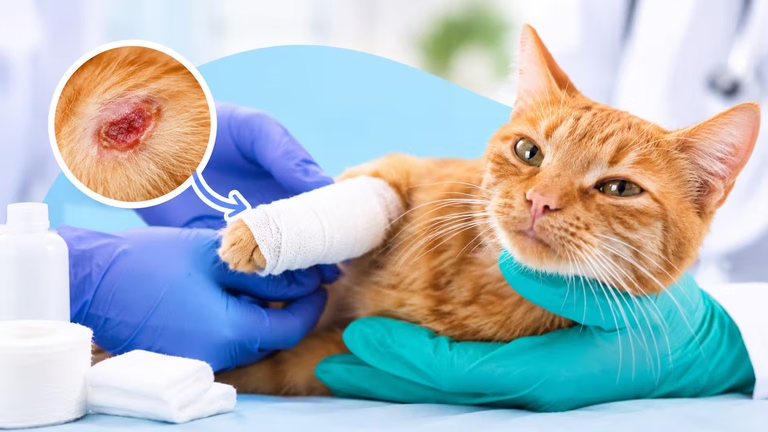
- Leave it open if possible. If the wound is small, you may only leave it open to air (allowing it to dry) after cleaning it. If it’s a larger cut, you can apply a loose non-stick gauze pad and wrap. Change this pad daily.
- Apply a mild dressing (vet’s recommendation). If your vet has given you an antiseptic solution (like dilute chlorhexidine) or ointment to use, follow those instructions now. Otherwise, do not apply anything without vet approval (see next section).
Stick to warm water or saline only for home cleaning. Do not use hydrogen peroxide, alcohol, or harsh antiseptics at home; they can harm healthy tissue and delay healing. The goal is simply to flush bacteria and debris away. After cleaning, monitor the wound closely for any ongoing smelly discharge.
How to stop your cat from licking the wound
Cats naturally want to lick injuries, but that can make infections worse. To prevent licking:
- Use an Elizabethan collar (cone). This is often the most effective solution. A properly fitted cone prevents your cat from reaching the wound with her tongue. Keep the cone on at all times (except supervised breaks for short, cleanings).
- Use a wound dressing or bandage. If you’ve wrapped the wound, it can provide a barrier (though many cats still find ways to reach it). Secure the bandage but not too tightly; change it if it gets soiled.
- Try a bitter spray or alternative collar. Some pet stores sell bitter-tasting sprays safe for wounds (vet recommended). You can also use a surgical recovery suit (a pet onesie) as an alternative to a cone.
- Keep the cat occupied. Distract her with gentle petting, toys, or treats right after a cleaning to reduce licking behavior.
Dr. Faheem Ghaffar, DVM says,
“Do not remove the protective collar or bandage prematurely. Even if it seems inconvenient, wearing the cone or keeping the wound covered is often the only way to let the wound stay clean and begin healing.”
What you should NOT put on the wound
It’s critical to resist doing more harm while trying to help. Never apply human creams or strong chemicals unless explicitly told by your vet. Specifically avoid:
- Hydrogen peroxide or rubbing alcohol. These can kill healthy cells and slow healing.
- Over-the-counter antibiotic creams (like Neosporin). Many human ointments contain ingredients (e.g., neomycin, polymyxin) that cats may lick off and ingest, causing vomiting or worse. They also may not be formulated for cat skin and can irritate.
- Essential oils or herbal salves. Tea tree oil, lavender oil, and similar substances are toxic to cats.
- Avoid any disinfectants (Dettol, iodine scrub, etc.) unless prescribed. Even products like chlorhexidine or iodine should be heavily diluted or vet-directed. Strong concentrations can burn the tissue.
When a Smelly Cat Wound Needs a Vet Visit
If you notice any of the following urgent signs with a smelly wound, call your veterinarian immediately:
- Large or deep wounds. For example, gaping lacerations, punctures near joints or eyes, or any injury exposing muscle or bone. These are too big to treat safely at home.
- Heavy bleeding that won’t stop. More than a few minutes of direct pressure and the wound keeps bleeding.
- Foul odor or pus that persists. If the bad smell doesn’t improve after basic cleaning, see a vet right away.
- Rapid swelling, pain, or heat. Especially if redness is spreading.
- Your cat is very unwell. Symptoms like high fever (cat’s ears or paws feel very warm), severe lethargy, not eating for >24 hours, vomiting, or difficulty breathing. These are signs the infection may be systemic.
- Abscess formation. A new painful lump (often behind the legs, tail base, or face) that looks like an abscess should be checked.
- Concern on removal of sutures or dressing. If any stitches come out or the wound reopens.
- Persistent issues. If you’ve cleaned and cared for the wound but it still oozes, smells, or the cat seems worse after 24 hours, get help.
What will the vet likely do?
Your Vet may:
- Sedate and thoroughly clean the wound. They might need to clip more fur, drain abscesses, and flush the wound with sterile solutions. For deep or dirty wounds, surgical debridement (removal of dead tissue) may be done.
- Place drains or bandages. An abscess may be left open with a Penrose drain, so it continues to drain, or carefully sutured if the infection is cleared.
- Prescribe antibiotics. Since bacteria are causing the smell, your cat will likely get antibiotics. This may be an injection in the clinic and then oral pills or even an extended-release shot. Common choices include amoxicillin–clavulanate (Clavamox) or cefovecin (Convenia). Pain meds may also be given.n
- Prevent licking. They will provide (or advise on) an Elizabethan collar and proper bandaging techniques to stop self-trauma.
In short, the vet will aim to remove the source of infection (draining pus and dead tissue) and fight bacteria (with antibiotics) so the smell (infection) goes away. With timely treatment, most infected wounds begin to improve within days.
Can a Smelly Cat Wound Heal on Its Own?
Unfortunately, if a wound smells bad, it usually will not heal properly on its own. The odor is evidence that bacteria are active, and without intervention, the infection will often get worse. For example, an untreated abscess might briefly burst and drain partly, but “pockets of pus” will remain under the skin, leading to recurrence.
A smelly wound often needs antibiotics, drainage, or surgery to fully heal. A foul odor indicates that the infection is still present, and the cat’s healing will not progress until it is resolved. Delaying care can allow the infection to penetrate deeper, potentially reaching muscles or even becoming systemic. Trust your instincts: if the wound is smelly, it’s best to get professional treatment rather than hoping it resolves alone.
How Can I Prevent Cat Wounds From Smelling
Preventing bite wounds and abscesses
Since many smelly wounds come from fights, prevention is better than cure:
- Spay/neuter your pets. Neutered cats roam less and fight less. In fact, intact males get into fights much more often.
- Keep cats indoors or supervised. Indoor cats are far less likely to get into brawls or accidents that cause wounds. If your cat goes outside, consider a secure enclosure or leash walks.
- Maintain healthy friendships. If you have multiple cats, ensure they’re well-socialized. Resources: give plenty of toys, perches, and territory so they aren’t stressed and aggressive toward each other.
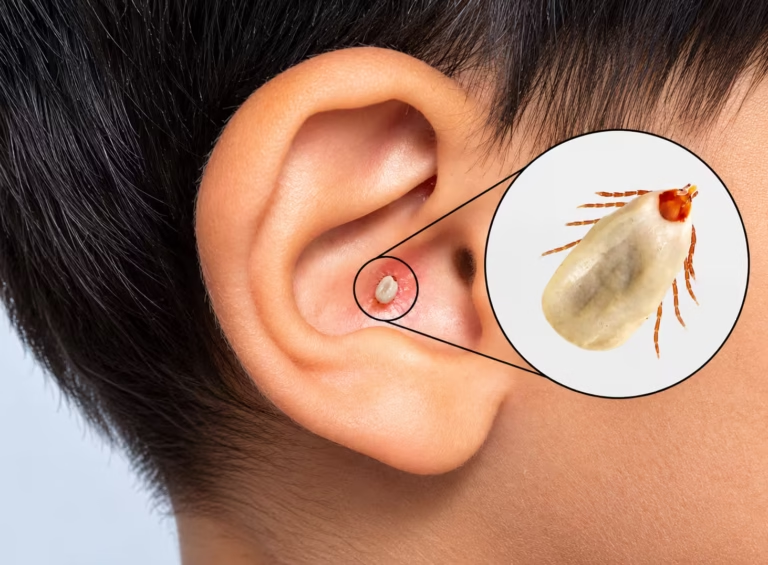
- Flea and tick control. Avoid scratching that can break the skin and allow infection.
- Regular vet check-ups. Vaccinations (FVRCP, FeLV) and parasite control boost your cat’s overall health and immunity. A healthier immune system can fight off small infections before they become serious.
FAQs About Smelly Cat Wounds
How do I know if my cat’s wound is infected?
Signs include swelling, increasing redness, warmth, pus, a foul smell, and worsening pain. Your cat may also become lethargic or lose its appetite.
What are signs of good wound healing?
Healthy healing usually involves decreasing redness and swelling, less discharge, and new pink tissue forming over the wound. The wound should gradually become smaller.
What is the hardest wound to heal?
Deep, infected, or extensive wounds with damaged tissue are particularly difficult to heal. Wounds with poor blood supply or repeated trauma may also heal slowly.
Do cat wounds heal faster, covered or uncovered?
It depends on the wound. A veterinarian may recommend a suitable bandage to protect it, while some wounds need to remain open for drainage. Never tightly cover a wound without veterinary guidance.
At what age do cat wounds heal more slowly?
There is no specific age when wound healing automatically slows. Older cats may heal more slowly because of underlying illnesses, poor nutrition, or reduced circulation.