

Scratches or bites, no matter how small, can lead to a serious infection. Cats are expert at hiding their pain, so symptoms might not be obvious at first. If a cat is injured, treat it gently, clean it, and monitor it, no matter how small the wound appears. Watch for any changes such as increasing redness, swelling, heat, pain, or discharge. Common cat wound infection signs include pus and foul odor or any color-tinged ooze (yellow, green, bloody, etc.). Also note any new lethargy, fever, or loss of appetite. Cats often stop eating when they have an abscess or infection. If you see any of these symptoms, consult your vet immediately.
Beware of chronic or worsening wounds as they can rapidly become life-threatening. Puncture wounds and bites are particularly susceptible to infection and require veterinary treatment. A clean-looking wound can contain bacteria under the skin. If your cat has a wound with pus-like discharge, a bad smell, deep tissue exposure, or is extremely painful, a vet should check the wound. In short, if any wound appears to be getting worse, rather than better, it needs to be seen by a vet.
A wound that has a foul smell or shows signs of infection should not be treated at home. Such wound must be exmined and treated by a vet.
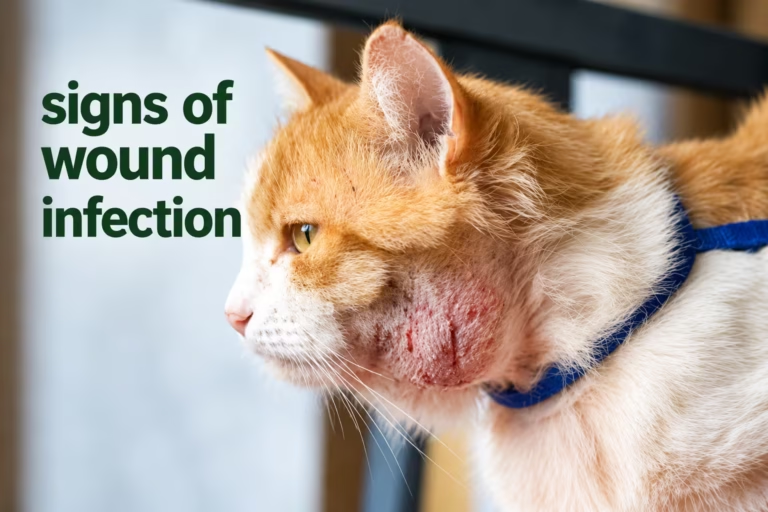
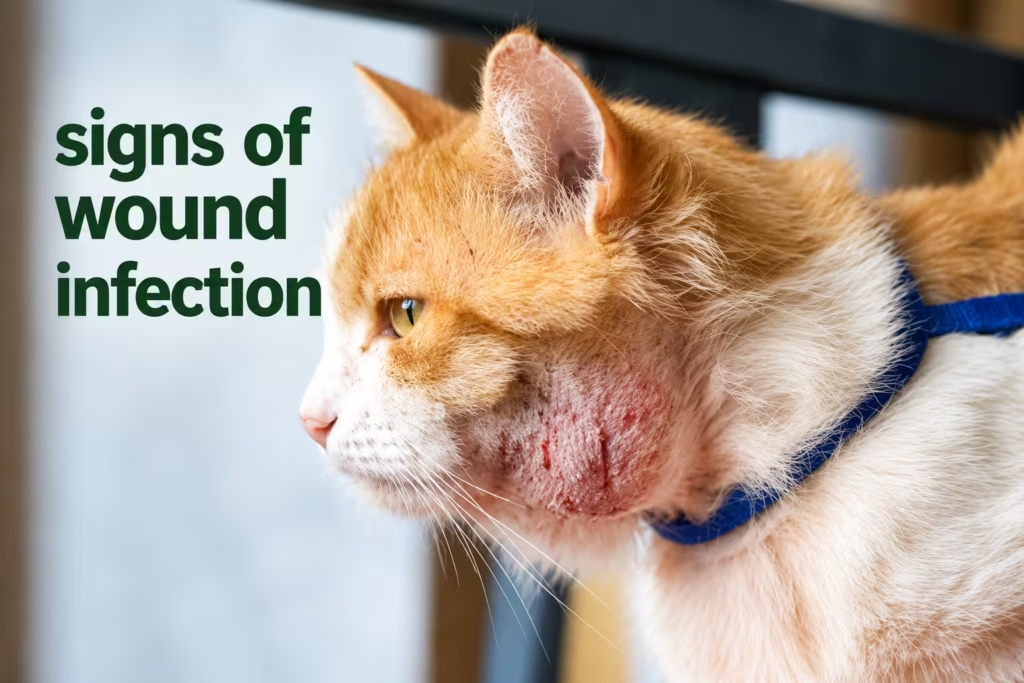
What Does an Infected Cat Wound Look Like?
Pink moist tissue (called granulation tissue) is a normal sign of a healing wound and will bleed slightly if poked. Initially, it may be a little red and tender, but it should subside over time.
A wound becomes exacerbated when it is infected. You may see:
- Darker redness or spreading of the redness.
- A swelling or lump getting bigger.
- The wound area is warmer than the skin around it.
- Pain or tenderness
- Abnormal discharge or pus.
- Foul smell
- Slow healing or deterioration.
A normal healing process, on the other hand, won’t reveal any more swelling or discharge, and the wound will slowly start to shrink as new tissue forms. If ever in doubt, keep in mind wounds should be monitored constantly, and any unusual smell, pus-like fluid, or excessive bleeding should alert you to seek veterinary advice.
8 Signs of Infection in a Cat’s Wound
Here are the top signs that an injury is infected. If you see any of these, then it is time to contact your veterinarian.
Increasing Redness Around the Wound
It is normal to have some redness immediately following the injury. Observe over 1 or 2 days and see if the red area is expanding or deepening. The redness is a problem if it increases in size or forms a red ring or streak. Remember that inflammation usually spreads when you have an infection, so watch the colour regularly every day.
Swelling or a Lump Under the Skin
If the swelling around the wound increases, it’s an indicator that the infection has taken hold. There may be a soft, swollen area (abscess) just under the skin. An abscess begins as a painful, swollen, warm area, which may grow larger with the passage of time. Cats usually get puncture wounds that will close over the skin but retain bacteria beneath. Look for any new bump or puffiness, as it may be an abscess developing.
The Area Feels Warm
If the wound has become inflamed due to infection, it will be warmer than the rest of your body. Feel around the wound to see if it is warm. If it is warm (and even more so if it is also red and swollen), it means that it’s infected. However, it is important to keep in mind that wound temperature is not necessarily proof, but when added to other signs, it makes the case for the presence of bacteria more convincing.
Pus or Abnormal Discharge
This is one of the most obvious indications. Pus is thick, often colored fluid (yellow, green, or brownish) that indicates many white cells and bacteria. Any fluid that is oozing from the wound that is cloudy, creamy or blood-tinged, even if not pus, may be abnormal. Infected cat wounds can exude discharge in many hues: white, yellow, green, pink, or brown. If you notice that the same scab keeps leaking or if a clear scab suddenly starts leaking, it is a serious problem.
It is important to inspect the discharge. Note its consistency; if it is thick or colored (appears infected), you have cause for concern. In real terms, look for any liquid that isn’t a clear serum. Take off any dried crust but observe its color and consistency. If you observe bloody, yellow, or green ooze for several days, call your vet.
Inspect your cat’s wound discharge carefully. Clear, thin fluid can be normal, but thick, bloody, yellow, or green discharge can indicate infection. If abnormal discharge continues for several days, contact your veterinarian, says Dr. Faheem Ghaffar, DVM , and veterinary consultant at VirtualVetDesk.
Foul or Unusual Odor
A healthy wound will not have a strong odor. When you notice any drainage or an unpleasant, offensive odor from a cat’s wound that usually means something is infected. It’s a smell produced by bacteria and dead tissue. The smell can sometimes be controlled by cleaning; however, if it is foul, it is a red flag. For example, one common symptom of an abscess is “foul-smelling pus discharge”. If the wound stinks despite cleaning, contact your veterinarian.
Increasing Pain or Tenderness
Notice how your cat reacts to the wound area. Infection often increases sensitivity. Your cat might meow, hiss, or snap if you touch the spot. They might suddenly groom or bat at the area more than usual. They may hide or shy away from petting altogether. Cats are experts at hiding pain, so even small changes like walking gingerly, not jumping, or being reluctant to use a limb can be significant. Limping or favoring a leg (if the wound is on a foot or leg) is a common infection sign. Always err on the side of caution: if it seems more painful than expected, have it checked.
7. The Wound Isn’t Healing or Looks Worse
A healthy wound shows gradual improvement day by day: less redness, less swelling, smaller size. If you notice the opposite, that’s alarming. This includes:
- The wound gets larger or deeper instead of closing.
- Edges reopen after scabbing or leaking again.
- New bleeding appears after days.
- A scab is replaced by raw tissue.
Essentially, a wound should be on the mend, not deteriorating. Chronically non-healing wounds need attention, as they can indicate infection or more serious issues. If you see any sign that the wound is degrading, schedule a vet exam.
8. Your Cat’s Overall Health Declines
Sometimes the first sign of an infected wound isn’t visible at the wound site but is systemic. A spreading infection will manifest these “whole-body” signs in cats:
- Fever. If it’s possible to carefully feel the temperature, a cat could have a fever, or its ears may feel hot.
- Lethargy: The cat is overly drowsy or weak. They might hide or not play.
- Lack of appetite and/or dehydration: Decreased food intake or refusal to eat, and may not drink. When a cat is fighting an infection, the most common symptoms are noted to be fever, being lethargic, and loss of appetite, according to PetMD and veterinary sources.
- Behavioral changes: A friendly cat may grow irritated, or a cat that enjoys grooming may suddenly refuse to groom.
- Unusual pain: If the cat is depressed, crying,g or the nose/ears are hot to the touch, then think infection.
If any of these systemic symptoms occur, particularly in combination with local wound symptoms, it’s time to see the veterinarian. People should never leave a wound untreated if the animal is lethargic, is running a fever, is eating less or drinking less. Lethargy, fever, decreased appetite, or refusal to drink around a wound warrants immediate veterinary attention.
Signs of an Abscess Under the Skin
One of the usual results of a puncture infection is an abscess, or a sack of pus under the skin. The first step is to recognize an abscess, since almost always it requires veterinary treatment (usually drainage and antibiotics).
Symptoms of an abscess: You will see, or feel, a lump that is swollen and warm. The skin may be extremely red and even pull tight over the swelling. It is usually painful, and the cat might lick and scratch at it. When the abscess comes to a head and drains, it will leak a bloody or pus-filled discharge (sometimes a thick yellow fluid) which may smell.
Hidden infection: Remember, Cat bites may close up fast but trap bacteria inside. The abscess can build up slowly under that surface without much visible change at first. In some cases, for example, your cat may only have a small healed spot or small dimple, but underneath the skin gathers pus. A tender swelling develops days later. Hence, the fight scars or outdoor roamers require special attention. Abnormal licking of a spot is one sign, or a cat’s lameness with no apparent wound can all be a sign of a hidden abscess.
When to Take Your Cat to the Vet
Watch your cat closely. If you find your cat’s wound meets several of these criteria, or if the wound keeps worsening, don’t hesitate to get professional help. Early vet care can prevent a minor wound from becoming a major crisis.
Additionally, if a deep puncture or bite wound appears to be small on the outside, it should be checked by a veterinarian. Cats can have very sharp teeth and can penetrate a lot and infect with bacteria. If the wound is very large, deep, or becomes infected (car accident, a bite from a wild animal, gun shot, etc.), seek immediate care.
Keep an eye out for your cat. If your cat’s wound meets several of these criteria, or if the wound keeps worsening, don’t hesitate to get professional help. It’s never too early to seek veterinary attention for a small wound and prevent a crisis.
Sources:
- PetMD: Wound Care For Cats: How to Care For Your Cat During Recovery
- VCA Hospital: Care of Open Wounds in Cats
- PetsVetCheck: Pus-Filled Abscess in Cats