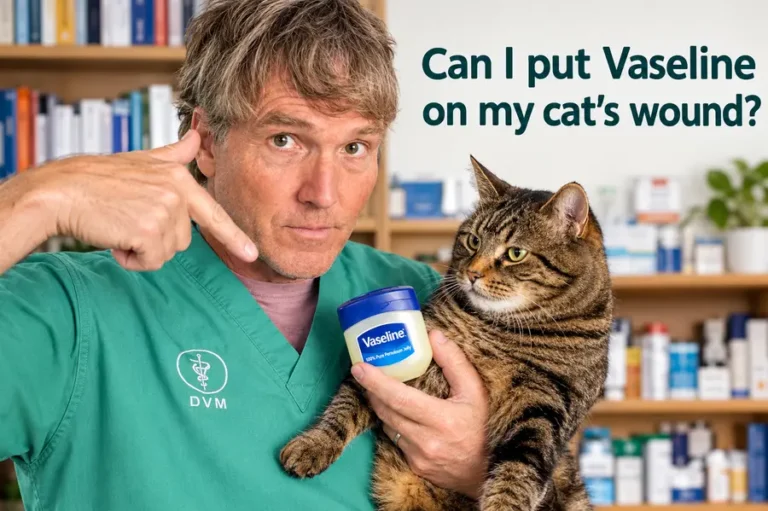


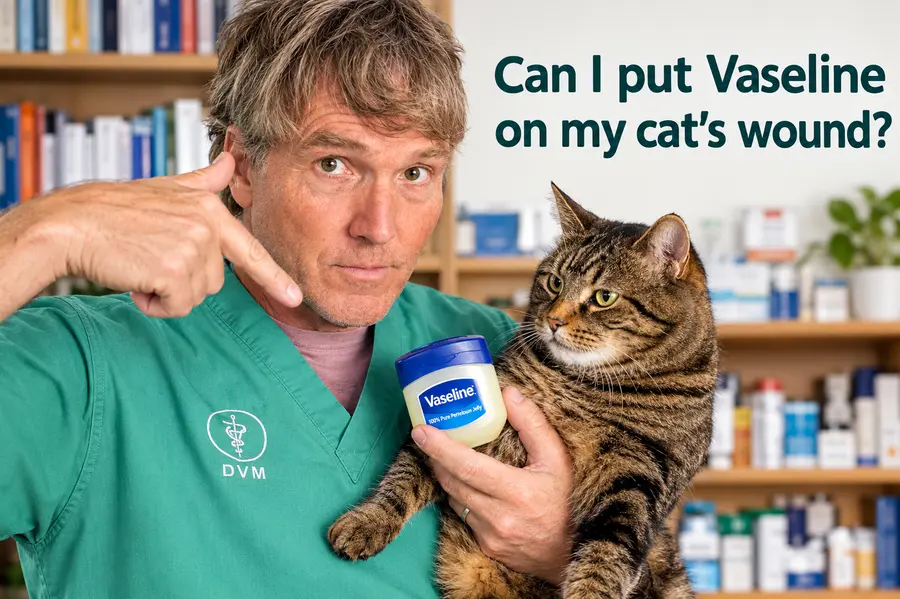
Yes, you can apply a very thin layer of Vaseline or petroleum jelly on a cat in places where your cat cannot lick. Do not use Vaseline or petroleum jelly on cats unless your vet tells you to. Vets can apply it themselves because they know how much to use. It keeps skin moist, but it cannot kill bacteria or treat infection. Your cat may also lick it off and swallow it, which can cause vomiting and diarrhea. Always consult a vet if you’re not sure or in an emergency situation.
Dr. Amina Ramzan, DVM Says,
I have never advised any pet owner to put petroleum jelly like Vaseline on a cat. Vaseline does not treat infection, and when cats lick it, they can get stomach issues. There are other safe alternatives to Vaseline, like cat-specific moisturizers that are organic. Still do not let them lick in large amounts.
Can You Put Vaseline on a Cat Wound?
Vaseline is a brand of petroleum jelly, which is a soft mix of waxes and mineral oils. When you spread it on skin, it forms a thin layer that holds moisture in.
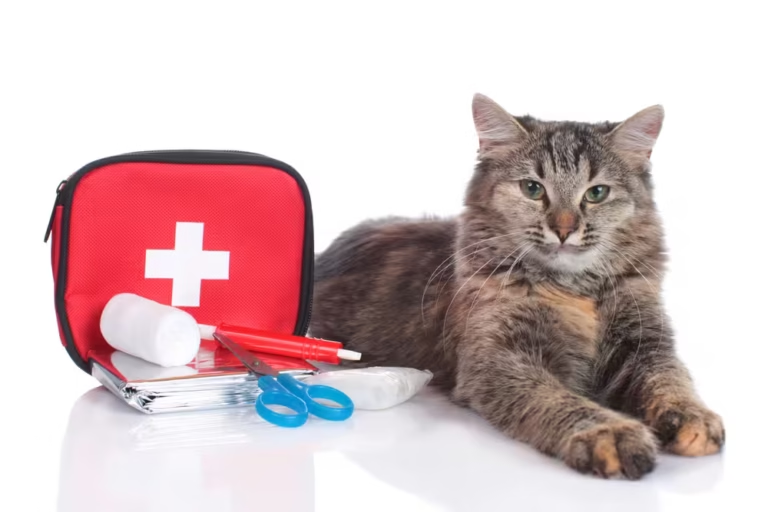
That layer may help intact skin, but wounds are different. Vets advise having a professional examine any open, healing wound before you apply an ointment. If the wound bleeds heavily, press clean gauze against it gently while you travel to the clinic.
Minor scratches may seem harmless. Still, you cannot always tell how deep a scratch goes, and thick fur can hide real damage. A wound that looks small may hide a puncture, and punctures close over quickly, which can trap bacteria underneath. Without guidance, you may seal dirt or bacteria under a greasy layer.
Vaseline is not an antiseptic, so it cannot clean a wound or fight infection. In some cases, a vet may recommend it to keep a wound moist and protected. Leave that decision to your vet.
What Are the Benefits of Putting Vaseline on a Cat?
Petroleum jelly works as an occlusive. This means it covers the skin and slows moisture loss, which can soften dry and flaky patches.
It may also reduce friction on intact skin. Some cat owners still apply it to their cat’s dry paw pads, as it is not toxic and can alleviate mild dryness when your cat does not lick it off completely.
These benefits have clear limits. A product that moisturizes dry skin is not automatically the right choice for cat wound Care. Injured skin needs cleaning, protection, and sometimes medication. Veterinary-approved products are made with those needs in mind, so they often suit damaged skin better. A vet may suggest petroleum jelly for one mild, specific problem, but that advice does not extend to every injury.
What Are the Risks of Putting Vaseline on a Cat?
Vaseline looks harmless, but several problems can follow when you use it on an injury, so you should know them before you reach for the jar.
- Licking and ingestion: Cats groom all day, so anything on the skin or fur often ends up in the stomach. Small amounts rarely harm a healthy cat, but larger amounts can cause vomiting or diarrhea. Diarrhea can lead to dehydration.
- Wound contamination: Greasy products attract dirt and can trap debris against the wound. Bacteria sealed under a layer of ointment can multiply.
- Delayed treatment: Vaseline cannot treat infection or deep tissue damage. While you wait for it to work, the wound may get worse.
- Excessive licking: Your cat’s tongue can irritate the wound and slow healing. Licking also removes the Vaseline, so it does no good.
- Inappropriate use: Surgical incisions, punctures, bites, and infected wounds require a veterinary examination before appropriate use. A fresh cat bite can look like a tiny mark, yet by 48 to 72 hours pus can collect under the skin.
- Allergic or skin reactions: Some cats react to topical products, especially those with added scents or ingredients. Watch for redness, itching, or swelling after you apply anything.
For What Purposes Can I Use Vaseline on My Cat?
Ask your vet before you try any of these uses.
- Dry skin: Persistent dryness may signal a deeper problem. Your vet should find the cause instead of you covering it with a balm.
- Dry paw pads: Check for cracks, bleeding, or inflammation before you choose a product, because limping or cracked pads need an exam. For mild dryness, apply a thin layer. A lick mat can distract your cat while the product settles.
- Dry nose: Mild surface dryness is different from a painful or lasting skin problem. Avoid putting petroleum jelly on or near the nose, because your cat can inhale it. Inhaling it may cause aspiration pneumonia.
- Friction-prone areas: Use a product only when it suits the specific area and condition. Your vet can tell you which one fits.
- Hairballs or constipation: Do not give Vaseline by mouth as a home remedy. Forcing it into the mouth raises the risk of aspiration pneumonia. Many cat hairball products contain petroleum jelly, but those are made for cats.
- Open wounds and scabs: Skip Vaseline unless your vet says otherwise.
Is Vaseline Safe for Cats to Lick?
A small lick is usually not toxic. A healthy cat that swallows a little petroleum jelly may show no signs at all, although some cats develop mild digestive upset such as loose stool or vomiting.
Repeated licking worries vets more. Large amounts can cause diarrhea and dehydration, and cats with other health problems face a higher risk.
If your cat licks Vaseline, stop the licking and remove the tube. Gently wipe off what remains, then watch your cat closely for the next day.
Call your vet if you see any of these signs:
- Heavy drooling
- Repeated vomiting or diarrhea
- Lethargy
- Coughing or trouble breathing
Breathing problems need urgent care because cats are especially prone to aspiration pneumonia.
Does Vaseline Help a Cat Wound Heal Faster?
Keeping skin moist is not the same as treating an injury. Some wounds heal best when they stay moist and covered, and Vaseline can help with that. Yet it can also raise the risk of complications.
Vaseline does not kill bacteria, and it cannot treat an infection that has already started.
Wounds also need different care depending on their depth and cause. A shallow scrape, a puncture, and a bite are not the same problem.
Bites deserve extra caution. Veterinary references describe a typical pattern. A bite on a cat’s leg looks like a small mark for the first 24 to 48 hours, and early care at that stage often prevents an abscess. A cat’s canine teeth inject bacteria from the mouth deep into soft tissue, and an abscess usually forms two to seven days later. Many cats need antibiotics, and some need the abscess drained. Even if your cat’s rabies shots are current, local law may require a booster after a bite.
What Can You Put on a Cat Wound Instead of Vaseline?
For a minor, superficial wound, start with a gentle rinse. Sterile saline or clean lukewarm water works well. You can make warm saline at home by mixing one level teaspoon (5 mL) of salt into two cups (500 mL) of water.
Let the liquid flow over the wound, then pat the skin around it dry with clean gauze. Do not scrub, because scrubbing irritates damaged skin.
Avoid these products unless your vet specifically recommends them:
- Hydrogen peroxide
- Rubbing alcohol
- Essential oils, including tea tree oil
- Soaps and shampoos
- Human antibiotic ointments
Peroxide and alcohol can damage healthy cells and delay healing. Some human products can also harm cats.
Your vet can offer better choices, such as diluted chlorhexidine, wound sprays, and prescription antibiotic creams. Your vet may also give oral or injectable antibiotics when the wound needs them.
Stop your cat from licking while the wound heals. An Elizabethan collar (cone) is the usual answer. Depending on the location, a bandage, stockinette, cat coat, or soft T-shirt may also work, so ask your vet which one fits.
When Should You Take Your Cat to a Vet for a Wound?
Book a visit right away if you notice any of these problems:
- A deep, large, or gaping wound
- A puncture wound or a suspected cat bite
- Bleeding that does not stop with gentle pressure
- Swelling, warmth, pus, or an unpleasant smell
- Increasing redness, pain, or discharge
- Lethargy, low appetite, or other signs of illness
- A wound that is not improving or looks worse
Cat claws and mouths carry bacteria, so even a scratch from another cat can turn into an infection. Do not try to lance an abscess at home. If you suspect one and cannot see your vet for more than a day, visit an emergency clinic. Early treatment usually brings the best outcome for your cat.
Can You Put Vaseline on a Cat’s Stitches or Surgical Wound?
No, not without your vet’s approval. Surgical incisions come with specific aftercare instructions, and surgeons usually tell you to leave the incision alone.
Unapproved ointments can raise the risk of poor healing or infection. Vaseline can also hide early warning signs, which makes the wound harder to judge.
Licking and chewing can damage the incision, and your cat may even pull the stitches open. If that happens, call your vet right away. A cone or recovery suit can protect the site.
Always contact the treating vet before you apply any product to stitches.
Frequently Asked Questions About Vaseline and Cats
Is Vaseline safe for cats?
Plain Vaseline (petroleum jelly) is generally considered low in toxicity for cats in small amounts. However, cats may lick it off their skin or fur and swallow it, which can cause digestive upset. Avoid applying it to wounds or irritated skin without veterinary advice, and check the ingredients before using any petroleum jelly product.
What happens if a cat licks or eats Vaseline?
If your cat licks a small amount of plain Vaseline, serious poisoning is unlikely, but vomiting or diarrhea may occur. Larger amounts can increase the risk of digestive problems. Monitor your cat for unusual symptoms and contact your veterinarian if your cat eats a large amount or develops vomiting, diarrhea, or reduced appetite. Do not make your cat vomit unless a veterinarian instructs you to.
Can you put Vaseline on a cat’s paws?
You can apply a very small amount of plain Vaseline to your cat’s paw pads, but it may not be the best treatment for dry or cracked paws. Cats often lick their paws, which can lead to ingestion. If your cat has bleeding, swelling, deep cracks, or painful paws, consult a veterinarian before applying anything.
Can you put Vaseline on a cat’s wound?
You should not apply Vaseline to an open cat wound unless your veterinarian recommends it. Petroleum jelly does not treat infections and may interfere with appropriate wound care. For a minor wound, gently clean the area with sterile saline or clean lukewarm water if appropriate, and prevent your cat from licking it. Contact a veterinarian if the wound is deep, swollen, bleeding, painful, or producing pus.
Can cats eat Vaseline for hairballs?
Vaseline is not the preferred treatment for hairballs in cats. Although some owners use petroleum jelly for this purpose, swallowing it without veterinary guidance may cause digestive upset, and it is not a substitute for a cat-formulated hairball product. Regular brushing can help reduce swallowed hair. If your cat repeatedly retches or vomits, contact your veterinarian because these signs may indicate a problem other than a hairball.
Can you give a cat Vaseline for constipation?
Do not give your cat Vaseline by mouth to treat constipation unless your veterinarian specifically advises it. Petroleum jelly is not a reliable substitute for veterinary constipation treatments, and swallowing it can cause digestive problems. Contact your veterinarian if your cat strains to pass stool or has not defecated normally. Repeated straining in the litter box may indicate a urinary blockage, especially in male cats, and requires emergency veterinary care if your cat cannot pass urine.