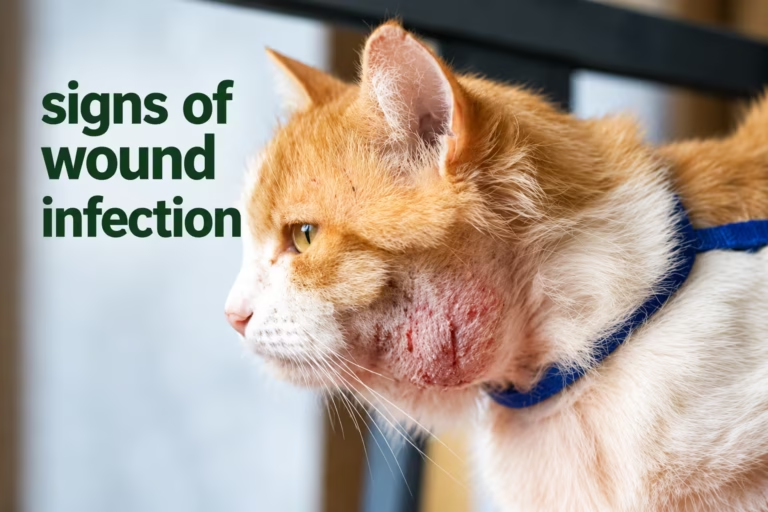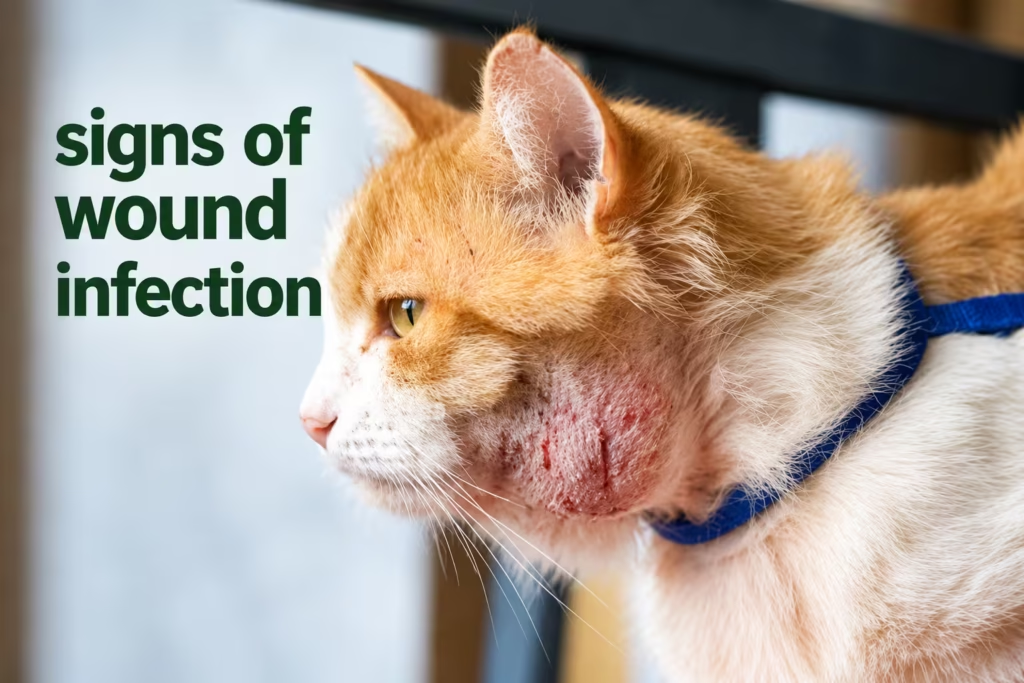


As a veterinarian, I see ear mite infestations in cats more often than most pet owners would expect. If your cat has been shaking their head, scratching relentlessly at their ears, or you have noticed a dark, gritty discharge inside the ear canal, there is a strong chance you are dealing with ear mites in cats. It is one of the most common ear problems I see in clinical practice, and while it sounds alarming, the good news is it is highly treatable once diagnosed correctly.
The key is early recognition and prompt veterinary care. Left untreated, an ear mite infestation can lead to significant discomfort, secondary infections, and in severe or chronic cases, lasting ear damage. This guide will walk you through everything you need to know, from identifying the signs to understanding your treatment options, so that you can feel confident and informed every step of the way.
What Are Ear Mites In Cats?
Ear mites are microscopic parasites, specifically a species known as Otodectes cynotis, that take up residence inside a cat’s ear canal and occasionally on the surrounding skin. They belong to the same family as ticks and spiders, which means they are technically arachnids, not insects. Understanding this distinction matters because it influences how they respond to certain treatments.
These parasites are highly contagious between animals. They spread through direct, close contact, which is why cats living in multi-pet households or those with access to the outdoors are at higher risk. Stray cats and cats with outdoor access tend to carry and transmit ear mites far more frequently than strictly indoor cats. However, and this is something I often have to reassure worried owners about, ear mites cannot complete their life cycle on humans, though they may briefly cause mild skin irritation if a heavily infested pet is handled frequently.
The ear mites’ life cycle spans approximately 3 weeks in total. Adults lay eggs in the ear canal, which hatch into larvae, progress through two nymph stages, and eventually mature into adults capable of reproducing. Each female can lay up to 5 eggs per day. This rapid reproductive cycle is precisely why a mild infestation can escalate so quickly without timely intervention.
What Do Ear Mites Look Like in Cats?
Under a microscope, Otodectes cynotis appears as a small, white, eight-legged mite with a distinctive oval body. Adults are just barely visible to the naked eye under very good lighting conditions, appearing as tiny white or cream-colored moving specks inside a dark ear. Most pet owners cannot see them without magnification, which is one reason they are so easy to overlook.
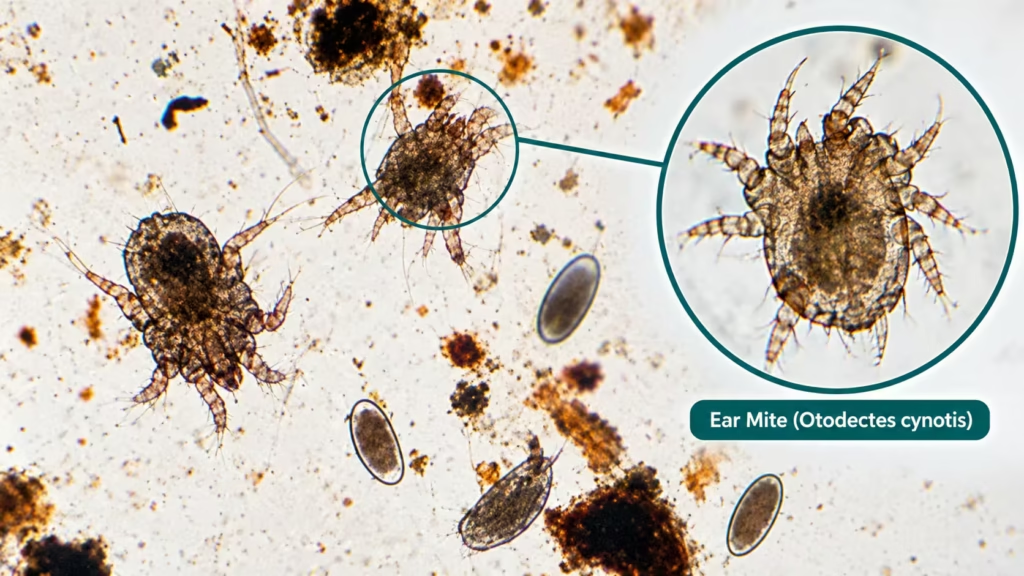
When I examine a cat’s ears in the clinic using an otoscope, I am looking for the characteristic coffee-ground discharge that these mites produce. This dark, reddish-brown to black crumbly material is actually a mix of ear wax, dried blood, mite waste, and debris from the mites feeding on skin cells and lymph fluid. If you peek inside your cat’s ear and notice what looks like ground coffee or dark dirt that does not seem to belong there, that is an important warning sign and a reason to book a vet appointment.
How Do Cats Get Ear Mites?
Cats mostly get ear mites through close contact with an infected animal. Shared items such as bedding or toys may contribute to transmission but aren’t considered a primary source. The tiny parasites, Otodectes cynotis, are extremely contagious, passing from animal to animal, so they spread easily when cats groom, sleep, or play together. Kittens often get ear mites from their mothers.
The same mite lives on other species, so a cat can catch it from dogs or from wild animals like raccoons and foxes. Kittens and outdoor cats are at higher risk because they meet more animals. A study of stray cats found about one-third had Otodectes cynotis. Since the mites spread so quickly, other pets in the household should also be evaluated and treated if one cat is diagnosed.
Symptoms of Ear Mites In Cats
One of the most common things I hear from cat owners is, “My cat keeps scratching their ears, and I don’t know why.” That persistent ear scratching, combined with head shaking, is the hallmark presentation of an ear mite infestation. Here are the clinical signs to watch for:
- Intense, frequent scratching at one or both ears
- Repeated head shaking or tilting
- Dark brown or black discharge inside the ear canal, resembling coffee grounds
- Visible redness, swelling, or inflammation inside the ear
- A noticeable, unpleasant odor coming from the ears
- Hair loss, crusting, or sores around the ears from self-trauma
- Restlessness and obvious signs of discomfort or irritation
It is important to understand that these symptoms are not exclusive to ear mites. Ear infections caused by bacteria or yeast can look very similar, which is exactly why a proper clinical examination is so important before starting any treatment. Using the wrong treatment for the wrong diagnosis can delay recovery and potentially worsen the condition.
Causes of Ear Mites In Cats
The root cause is always the same: direct contact with an infected animal. Ear mites spread remarkably easily between cats, dogs, rabbits, and ferrets through close physical contact, shared bedding, mutual grooming, or even brief nose-to-nose interaction. Kittens frequently acquire ear mites from their mother during nursing and early social contact, which is why infestations are so prevalent in young cats.
Risk Factors for Ear Mite Infestation
Certain circumstances increase a cat’s vulnerability to picking up ear mites. Outdoor cats or indoor-outdoor cats are at the highest risk because of their exposure to stray animals and wildlife that may carry the parasite. Multi-pet households where animals share sleeping areas and groom each other are another common setting for outbreaks. Kittens and young cats are disproportionately affected because their immune systems are still maturing and because they tend to interact in close physical proximity with siblings and other animals.
Finding ear mites in your cat does not mean your home is dirty or that you have been a neglectful owner. These parasites are opportunistic. A single encounter with an infested animal is all it takes.
How to Check for Ear Mites in Cats
Diagnosis begins with a thorough clinical examination. In the exam room, I use an otoscope to look directly into the ear canal. The characteristic dark discharge and the presence of visible mites under magnification are often enough to make a confident diagnosis. However, for definitive confirmation, I will typically take a small swab sample of the ear discharge and examine it under a microscope. This allows me to identify the mites, their eggs, and fecal material directly.
Ear mites vs. ear infections in cats can be difficult to distinguish based on symptoms alone. Both can cause dark discharge, head shaking, and ear scratching. The difference lies in the type of organism involved and the specific appearance of the ear canal. Ear infections tend to produce a wetter, smellier discharge, while ear mites create a drier, more crumbly residue. But do not rely on this distinction at home. A vet visit with a proper ear examination is the only reliable way to tell them apart and get the right treatment.
How to Treat Ear Mites in Cats?
The goal of treatment is to eliminate all mites and eggs from the ear canal and prevent reinfestation. In my clinical experience, prescription ear mite treatment for cats tends to be significantly more effective than over-the-counter alternatives, primarily because prescription medications are more precisely dosed and may have a broader spectrum of action.
Prescription Medications
The most commonly prescribed ear mite drops for cats in veterinary practice include products containing milbemycin, thiabendazole, or ivermectin, often formulated as topical otic solutions. These are applied directly into the ear canal and work by killing mites on contact. For broader and more convenient coverage, many veterinarians now recommend topical spot-on medications such as selamectin (Revolution) or moxidectin combined with imidacloprid (Advantage Multi).
These treatments are applied to the back of the neck, absorbed through the skin, and provide systemic protection against ear mites, as well as other parasites like fleas and heartworm. A single application of selamectin, for example, is highly effective against Otodectes cynotis in clinical studies.
Over-the-Counter Options
Over-the-counter ear mite treatment for cats is widely available at pet stores and pharmacies. Most of these products contain pyrethrins, which can be helpful in mild cases. OTC formulations are generally less potent than prescription ear mite treatment for cats and may require more frequent application over a longer period.
If you are considering an OTC product while waiting for a vet appointment, consult your veterinarian first to ensure the formulation is appropriate for your cat’s age and weight. Products safe for adult cats are not always safe for kittens under 12 weeks.
Treating the Environment and All Pets
This is a step many owners overlook: all animals in the household should be treated simultaneously, even if they show no symptoms. Ear mites can move between pets and complete part of their life cycle on bedding or soft furnishings. Wash your cat’s bedding, blankets, and any soft toys they frequently use in hot water. Vacuum upholstered furniture and consider treating the environment with a veterinarian-recommended household spray if the infestation appears severe.
Home Remedies for Ear Mites
I understand the appeal of ear mite home treatment for cats. When your cat is clearly uncomfortable, and a vet visit is not immediately possible, it is natural to want to do something. However, I want to be transparent with you: most home remedies that circulate online, such as mineral oil, coconut oil, or diluted apple cider vinegar, lack clinical evidence to support their effectiveness against Otodectes cynotis. Some may provide minor, temporary relief by softening debris in the ear canal, but none will eliminate the mites or their eggs reliably.
Mineral oil, for example, is sometimes recommended because it can smother mites mechanically. While there is a physiological basis for this, it is not a substitute for antiparasitic medication and will not break the reproductive cycle. If you choose to apply oil to help loosen the dark discharge while awaiting a vet appointment, use only a small amount, only in the outer ear, and never insert anything deep into the ear canal. Most importantly, please follow up with professional treatment as soon as possible.
How to Clean Cat Ears with Ear Mites
Before applying any prescription or over-the-counter treatment, the ear canal needs to be as clear as possible. Excessive buildup of the dark, coffee-ground discharge can actually block medication from reaching the mites deep in the canal, reducing its effectiveness significantly.
Here is how I recommend approaching it. Use a veterinarian-approved ear cleaning solution, never water, hydrogen peroxide, or alcohol. Gently apply a few drops into the ear canal, then softly massage the base of the ear for about 30 seconds to loosen the debris. Allow your cat to shake their head, which naturally moves dislodged material toward the outer ear. Then, using a soft cotton ball or gauze, gently wipe the visible part of the inner ear. Never insert cotton swabs or any implement deeper than what you can see. This process may need to be repeated two to three times if the buildup is particularly heavy. Once the ear is clean, you can apply the prescribed medication as directed by your veterinarian.
How Long Do Ear Mites Last?
With appropriate treatment, most cats show a significant reduction in symptoms within just a few days. The itching and discomfort begin to subside as the mite population decreases. However, full resolution typically takes 3 to 4 weeks, which corresponds to the complete life cycle of the parasite. Treatment must continue for this full duration to ensure that eggs hatching after the initial application are also eliminated.
One of the most common reasons ear mites come back after treatment is stopping medication too early. The owner sees improvement, assumes the problem is resolved, and discontinues the treatment before all eggs have hatched and been exposed to the medication. Chronic ear mites in cats are often the result of incomplete treatment courses rather than true treatment failure. Always complete the full course of medication your veterinarian prescribes.
How to Prevent Ear Mites In Cats
Prevention is far less stressful than treatment, for both you and your cat. The most effective preventive strategy I recommend is the consistent use of a broad-spectrum monthly parasite preventive. Products like Revolution (selamectin) or Advantage Multi protect against ear mites in addition to fleas, heartworm, and intestinal parasites. A single monthly application provides reliable, year-round protection, which is especially valuable for indoor-outdoor cats.
Beyond medication, routine ear checks are an excellent habit. Make it part of your monthly grooming routine to gently inspect your cat’s ears for any redness, odor, or unusual discharge. Healthy ears should look clean, light pink, and odor-free. Any black stuff in cat ears, persistent scratching, or unusual smell warrants prompt veterinary attention. Early intervention dramatically shortens treatment time and reduces the risk of complications.
For households with multiple pets, controlling access between animals of unknown parasite status is important. If you are introducing a new cat or kitten into your home, have them examined and cleared by a veterinarian before allowing close contact with existing pets. This simple step can prevent a cascade of infestations across your entire animal family.
Frequently Asked Questions
Are ear mites in cats an emergency?
Ear mites are not a life-threatening emergency in the immediate sense, but they are urgent. A severe infestation causes significant pain, and secondary infections can develop quickly if left untreated. If your cat is in obvious distress, bleeding from scratching, or has a foul-smelling ear, seek veterinary care as soon as possible, ideally within 24 to 48 hours.
Can indoor cats get ear mites?
Yes, indoor cats can get ear mites, though the risk is considerably lower than for cats with outdoor access. Mites can be introduced into the home through new pets, on clothing or hands after handling an infested animal, or through brief contact during a vet visit. Indoor cats are not immune, just less frequently exposed.
Are kittens more likely to get ear mites than adult cats?
Yes. Kittens are disproportionately affected, largely because they acquire mites from close contact with their mother and littermates. Their immune systems are also not yet fully mature, making them less able to naturally manage the parasite load. Kittens from shelters or breeding environments with multiple cats tend to have especially high rates of infestation.
How long can ear mites live in a cat’s ears?
Adult ear mites can live for approximately 2 months inside a cat’s ear canal, continuing to feed, reproduce, and cause irritation throughout that period. Without treatment, infestations tend to persist and intensify rather than resolve on their own.
Can ear mites cause permanent ear damage?
Yes, in severe or chronically untreated cases. Repeated trauma from scratching can lead to hematomas (blood-filled swellings on the ear flap), secondary bacterial or yeast infections that damage the ear canal lining, and in rare extreme cases, inflammatory changes that may affect hearing. This is why prompt treatment is so important.
Will ear mites go away on their own?
No. Ear mites will not resolve without antiparasitic treatment. The mites reproduce continuously, and without intervention, the infestation will persist and likely worsen over time, increasing the risk of secondary complications.
Are over-the-counter ear mite treatments effective?
Some over-the-counter ear mite treatment products for cats provide modest relief, particularly for mild, early-stage infestations. However, they are generally less effective than prescription formulations, often require more frequent and prolonged application, and may not adequately address the full life cycle of the parasite. A prescription treatment prescribed after a veterinary examination remains the gold standard.
Should all pets be treated if one cat has ear mites?
Absolutely yes. If one pet in your household has ear mites, assume that all pets with which it has had contact have been exposed, even if they are not yet showing symptoms. Treating all animals simultaneously is essential to prevent reinfection and break the transmission cycle.
How often should I check my cat’s ears for mites?
I recommend checking your cat’s ears at least once a month as part of a routine health check. Healthy ears should be clean, light pink, and free from odor. If your cat goes outdoors or lives with other animals, more frequent checks every 2 weeks are a reasonable precaution.
Can ear mites come back after treatment?
Yes, recurrence is possible if treatment was not completed fully, if not all household pets were treated, or if your cat has ongoing exposure to infested animals. Using a monthly preventive parasite product is the most reliable way to prevent reinfestation after successful treatment.
Sources and References
- Merchant, S.R. (1999). Otitis externa due to ear mites. In: Bonagura JD, ed. Kirk’s Current Veterinary Therapy XIII. Philadelphia: WB Saunders; 1999. pp. 625–629.
- Six, R.H., Clemence, R.G., Thomas, C.A., et al. (2000). Efficacy and safety of selamectin against Otodectes cynotis infestations in dogs and cats. Veterinary Parasitology, 91(3-4), 291–309.
- Paterson, T.E., Halliwell, R.E.W., Fields, P.J., et al. (2009). Treatment of canine-generalized demodicosis: A blind, randomized clinical trial comparing the efficacy of Advocate (Bayer Animal Health) with ivermectin. Veterinary Parasitology, 163(4), 494–498.
- Sotiraki, S.T., Koutinas, A.F., Leontides, L.S., Adamama-Moraitou, K.K., & Himonas, C.A. (2001). Factors affecting the frequency of ear canal and face infestation by Otodectes cynotis in the cat. Journal of Feline Medicine and Surgery, 3(4), 207–210. — This study provides clinical data on prevalence rates and risk factors for Otodectes cynotis infestation in cats, supporting the information on transmission, population demographics, and infestation patterns presented in this article.
- Miller, W.H., Griffin, C.E., & Campbell, K.L. (2013). Muller and Kirk’s Small Animal Dermatology. 7th ed. Philadelphia: Elsevier Mosby. pp. 318–321.
- Plumb, D.C. (2023). Plumb’s Veterinary Drug Handbook. 10th ed. Wiley-Blackwell. (Selamectin, Milbemycin, Ivermectin entries)