


No, cats can’t have autism like humans, as vets do not recognize autism as a diagnosis for cats. However, your cat may exhibit behaviors that are similar to autism in humans, which can be concerning. Consult a vet if you observe unusual behavior in your cat.
Your cat might stop approaching people, flinch when being handled, jump at sounds that are too loud, or repeat the same movement over and over. These habits are generally formed by personality, fear, stress, or a health issue.
“Cats may display behaviors that resemble autism in humans, such as unusual social interactions, repetitive movements, or sensitivity to their surroundings. However, every cat has its own way of communicating, and understanding these individual differences is more important than assigning human labels to their behavior.”
Can Cats Have Autism?
Autism is a condition in humans that is diagnosed by the way a child’s language develops, their social skills, and their growth. Those tests can’t be applied to a cat since a cat can’t talk, and no test can measure feline development in the same way.
Vets also claim there are no scientific studies that prove cats can be diagnosed with autism. There has been some research on autism-like behaviours in dogs and mice, but not in cats. Many cat behaviorists believe that anxiety is a better explanation for these behaviors than autism.
If your cat has one or two unusual behaviors, it doesn’t necessarily mean that they have autism. Many healthy cats are shy, alert, or dislike change, and this is normal cat behavior.
Why are so many owners asking about it? The symptoms are all familiar, and a cat who avoids you, licks a spot repeatedly, or panics over a new couch may appear quite different from other cats. You want something to love and cherish your cat for. The more sensible approach is to seek the underlying cause.
Signs Your Cat May Have Autism-Like Behaviors
Some cats act in unusual ways around people, sounds, and daily life. These signs do not prove autism, but they tell you that your cat may need a closer look.
Avoiding Social Interaction
Your cat might avoid people and other cats, be reluctant to join others, or be uninterested in play. Other cats will hide when visitors come in.
Cats are social animals, and they also hunt alone. They typically communicate through body language and will often just stay out of the way, so if your cat is being protective of its space, it may just be being a cat.
Repetitive Behaviors and Movements
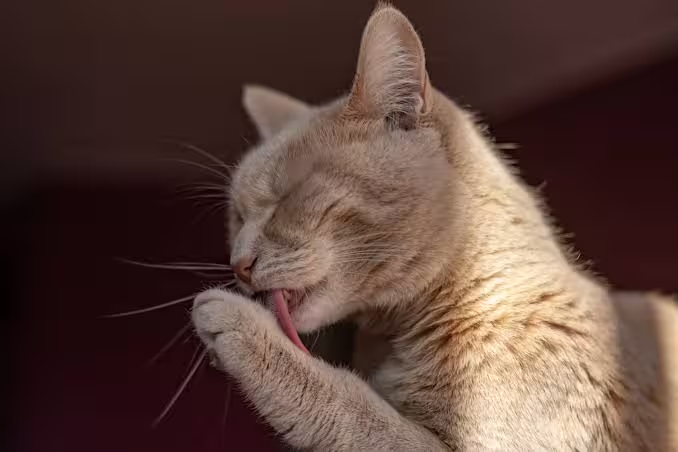
Your cat might go down the same route multiple times. Some cats chase their tails a lot, and others lick/groom one body area repeatedly for no apparent reason.
Many repeated actions are simple and often due to boredom, stress, or play. Notice how long the behavior lasts and how difficult it is to interrupt the behavior, as this information will assist your veterinarian later.
Unusual Sensitivity to Sounds, Touch, and Light
Others respond to the vacuum, slamming doors, or other home sounds. Some do not like some textures or do not like to be stroked on the belly, head, or neck. A feline without a place to retreat to,o a quiet room in a busy room with bright light and loud sounds, may be overstimulated.
Unusual Communication and Body Language
Your cat may only come when called occasionally. One research study on 77 cats has shown that house cats can hear their name from names that sound like it, and that the reaction is usually a subtle one such as a flick of the ear or a head turn. So even if a cat is in place, it can hear you just fine.
Cats also use fewer meows, or different sounds, than other cats do. Every cat is unique, and some just aren’t interested in human interaction.
Strong Attachment to Routines
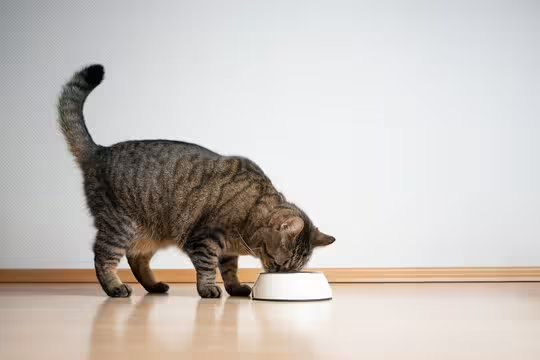
Cats do not like changes in their schedule. They can choose one favourite sleeping position or one position to eat from and may do the same activity at the same time every day. Cats like what they know, and some cats react when you move a familiar object.
Why Does My Cat Act Like It Has Autism?
Autism-like behaviors have many possible causes, and most of them have nothing to do with autism.
Natural Personality and Temperament
There are cats out there that are born independent. Genes have a significant influence on a cat’s personality, and the father’s genes appear to be the most important. A shy cat might need some time to get used to you, a reserved cat will come and stay with you from across the room, and a social cat will follow you everywhere. They are all normal.
Previous Experiences and Poor Socialization
The best time to teach a kitten about people is around 2 to 7 weeks, depending on what sources you consult, but some say 9 weeks. If a kitten doesn’t get to meet many people during that period, it may remain wary as an adult.
This can also be true of bad experiences, and even a single frightful vet visit can influence a cat’s attitude for years to come. Often, fear is manifested in avoidance or defensive behavior, and direct approaches are very threatening to shy cats.
Stress and Anxiety
Cats can change their behavior quickly when they are stressed. Typical triggers are moving, a new pet, a new family member, loud noises, and new rooms. A change in feeding or sleeping habits can upset a cat too, and a stressed cat may not use the litter box, eat, or hide. If you suddenly have a new fear, it’s a good reason to call your vet.
Medical Conditions That Can Cause Autism-Like Behaviors in Cats
Unusual behavior may indicate a health issue. Cats conceal pain, and behavior is usually the first sign. In one study of 206 cats, aged 7 to 10, owners said that 47% of the cats had changed their behavior, and 176 cats were fully examined by vets, only 12% of which showed no evidence of sickness.
Feline Hyperesthesia Syndrome
This condition makes the skin extremely sensitive. Symptoms include rippling of the skin on the back, muscle spasms, dashing, and over-grooming.
This syndrome was reported in seven cats. Five had rippling skin and had multiple episodes of tail chasing per day, but other tests, including MRI, revealed no obvious cause. Despite this, 6 cats responded well to treatment and 5 cats were completely cured. Gabapentin was administered to 6/7 cats.
Feline Cognitive Dysfunction
This is the natural aging process that affects the brain. Cats that are affected may appear lost, sleep at unusual times, cry at night, or refuse to approach you for attention. In a survey of 154 cats aged 11 to 21, 28% of cats aged 11 to 14 and 50% of cats over 15 showed related signs. There is no approved drug or diet available for this condition, and vets recommend a routine and lots of enrichment.
Compulsive Disorders
Between 3.5% and 7% of cats seen by behavior vets have a compulsive disorder. These cats will overgroom themselves, chase their tails, and suck wool and cannot stop. The treatment usually begins with a more consistent schedule, more play, and a more enriched home. This is more common in Siamese, Burmese, and Oriental breeds, but some experts believe that is just based on clinic reports.
Vets always look for other causes first. Of the 21 cats that were sent for hair loss, 76% were due to medical causes.
Pain and Neurological Problems
Pain changes behavior. One study of 100 cats more than 10 years old revealed that arthritis was present in 90% of the cats over 12 years of age. A cat that is in pain may become reclusive, less playful, may not groom as well, or may not use the litter box. If your cat is quiet and dull and stops playing, he or she may have a problem with the brain. If your cat circles, has seizures, or changes personalities suddenly, it needs immediate attention.
How Do Vets Find a Cat Has Autism?
There is no autism test for cats. Vets don’t look at your cat’s behavior as a diagnosis, but rather begin with your cat’s history. You can complete a questionnaire and submit videos of the behavior showing what your cat does at home, and your vet will observe your cat in the clinic and conduct a thorough physical and nerve exam.
Next come tests. These include a blood count, a blood chemistry panel, a thyroid function test, and a urine test, and some cats require a scan or an appointment with a nerve specialist. These steps eliminate pain, brain disease, thyroid issues, and other medical conditions.
When no medical reason is found, it is the vet’s focus that shifts to stress and behavior. Some veterinarians will refer you to a veterinary behaviorist. A behavior assessment identifies a problem, such as anxiety, but is not a diagnosis of autism.
How to Care for a Cat With Autism-Like Behaviors
Maintain a Consistent Daily Routine
Feed at the same time of day and maintain the same sleeping areas. If you need to make a change, make it gradually to give your cat time to adapt.
Create a Safe and Comfortable Environment
Provide quiet resting areas (preferably elevated), and introduce high dark hiding spots (preferably elevated) using familiar blankets or toys. Provide more than one food bowl, water bowl, litter box, and scratching area; don’t place food near the litter box. Remember that cats are highly sensitive to sound and use strong cleaners and scents sparingly, if at all, as they smell.
Respect Your Cat’s Social Boundaries
Never force a hug. Wait a few feet away, side by side, and allow your cat to approach. Cats don’t like direct approaches. Next, attempt a slow blink. One study found that cats walked toward an outstretched hand and blinked back more often after a person had walked toward the cat and slowly blinked at it. Give the cat a treat for each step toward the carpet and do not punish the cat for being afraid.
Provide Appropriate Mental Stimulation
Provide toys to interact with, scratching posts and climbing areas, and even food puzzles. Only approximately 30% of 3,192 owners used food puzzles. Remove string toys after use to prevent your cat from eating them.
When Should You Take Your Cat to a Veterinarian?
If your cat’s behavior suddenly changes, contact your vet. If your cat injures itself, makes repetitive movements for extended periods of time, or responds strongly to touch or sound, also call.
Obsessively watch eating and drinking, and litter box habits, as a change in these could be a sign of pain or illness. Signs of thyroid disease include new anxiety, loud crying, weight loss, a nd a voracious appetite. If your cat stops eating for 24 hours, has trouble breathing,g or is straining to urinate, seek immediate assistance.
Cats are good at hiding their pain, and by waiting, a problem can escalate. Don’t attribute a sudden change in personality to autism. An examination by a veterinarian can reveal the true cause.
Frequently Asked Questions About Autism in Cats
Can Cats Be Born With Autism?
Some cats show odd habits as kittens, but early habits do not prove autism. Poor socialization and early weaning can play a role, and no test or diagnosis for inborn autism exists in cats.
Can Cats Have ADHD or Autism?
No, because both are human diagnoses. One vet notes that no clinical evidence supports ADHD in cats, and sudden bursts of running are normal. New hyperactivity may come from thyroid disease, flea allergy, or hyperesthesia.
Why Does My Cat Avoid Eye Contact?
A hard stare can feel like a threat to a cat, while soft, slow blinks show comfort. Cats also rarely hold eye contact with someone they do not trust, so fear and personality both play a part.
Can Autistic Cats Live Normal Lives?
Cats with unusual behavior can live comfortable lives. A calm home, a steady routine, and vet care help a lot, and in the seven-cat report above, six cats improved with treatment.
Why Does My Cat Repeat the Same Movements?
Cats groom, pace before meals, and play with their tails as normal behavior. Stress, boredom, or pain can push these habits too far, so ask your vet to check for a compulsive or medical cause if they take over your cat’s day.
Can a Veterinarian Diagnose Autism in Cats?
No, because autism is not an established veterinary diagnosis in cats. Your vet can still find and treat the real causes of your cat’s behavior.