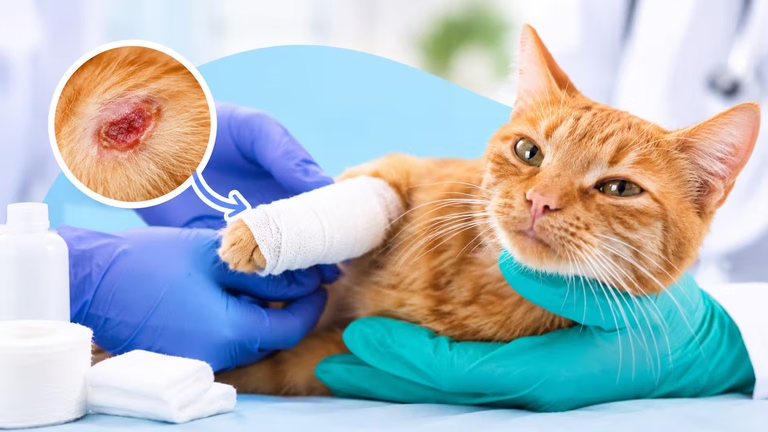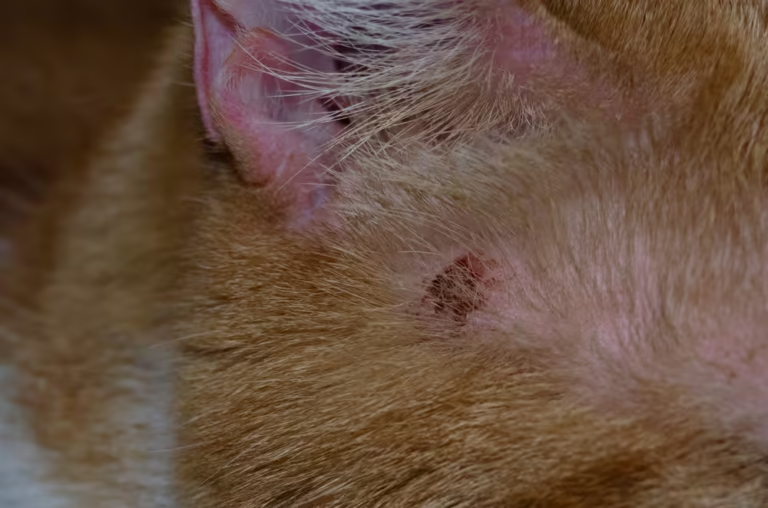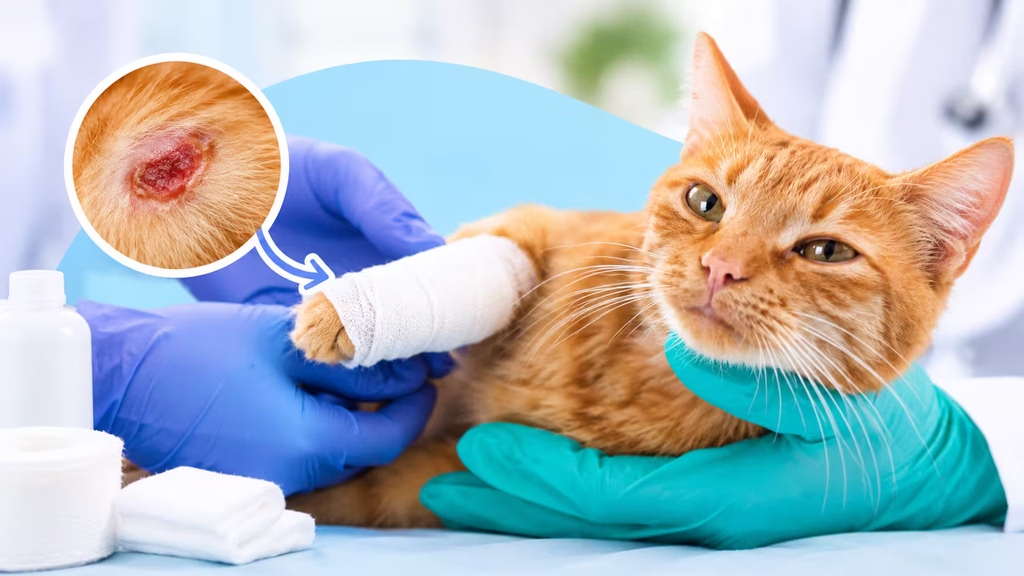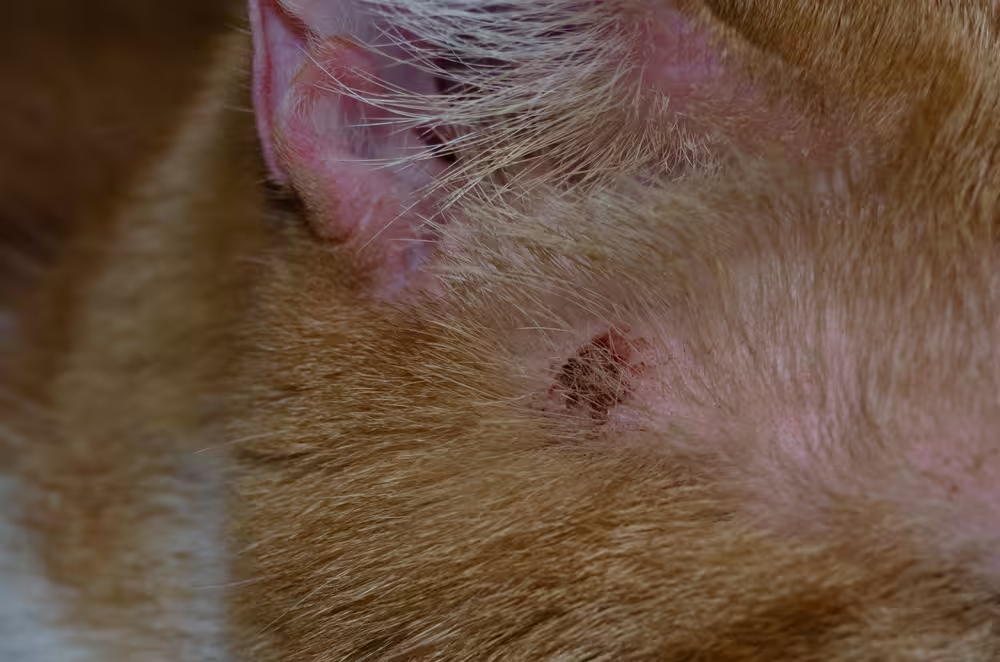


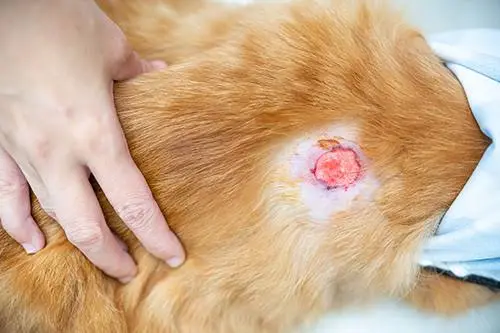
If you notice that your cat has a cut or injury, you may wonder how it heals. There are four stages of wound healing in cats. The first thing that happens is that the wound stops bleeding, forming a clot. Then, inflammation removes debris and defends against germs (you will notice redness and swelling). New tissue and skin form in the area of the wound. Finally, the wound closes and strengthens over time, forming a scar. Knowing these stages will help you to understand what to expect and when to call the vet.
“Every wound heals in stages, but proper care makes all the difference. Keep the wound clean, prevent licking, and seek veterinary help if you notice signs of infection.”
Cat Wound Healing Stages:
Stage 1: Bleeding and Blood Clot Formation
Tiny blood vessels burst, and bleeding begins when your cat’s skin is cut or torn. Your cat’s body reacts almost instantly with the formation of a clot. Platelets (blood cells) rush in, adhere to each other, and form a network of fibrin to patch the hole. The bleeding quickly slows down, and a scab is formed in minutes. The clot also contains growth factors that help to get things going when it comes to healing. Bright red blood may be noticed in this stage, followed immediately by a crust (scab) over the cut. Pressing the wound with a clean cloth or gauze for a few minutes will stop the bleeding.
Stage 2: Inflammation and Swelling
Your cat’s body responds with inflammation once the bleeding has stopped. White blood cells flood the wound to attack bacteria and clear out dead tissue. The area around the wound will be red, warm, and swollen, which are all normal signs that healing is taking place. A few clear or pink fluids may seep out of a wound as debris is washed away. The most severe swelling occurs within one or two days and lessens after about one week. During this time, the area may be painful or tender, and your cat may limp or avoid using the affected part. You can keep the wound clean by washing gently with saline (see below), but avoid disturbing the scab as long as it’s not open.
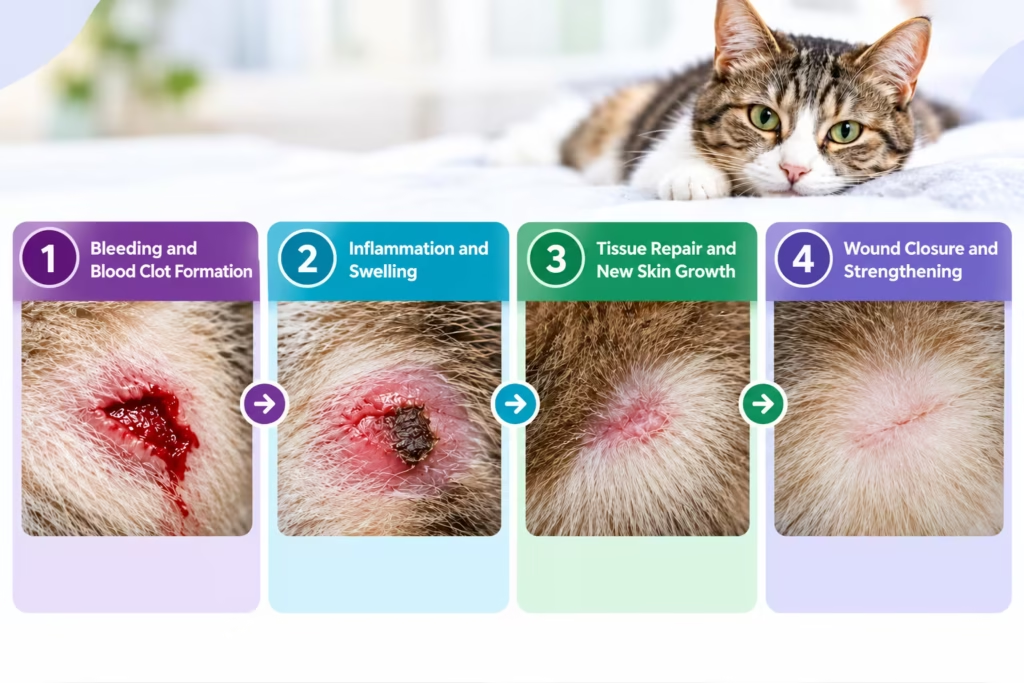
Stage 3: Tissue Repair and New Skin Growth
The repair phase is then conducted. The fibroblast cells come in and begin to form new tissue. They lay down collagen and small blood vessels to form granulation tissue. This “granulation” tissue appears grainy and pink or red, and fills the wound from the bottom. A shiny pink layer will appear, which is moist and bumpy and shows normal healing tissue. Meanwhile, cells on the edges of the wound gradually migrate toward the center of the wound and close over this area. This is more delayed in cats than it is in dogs. It may take more than a week for good granulation tissue to develop in cats. A healthy healing wound should appear shiny red and clean if the wound is healing.
Stage 4: Wound Closure and Strengthening
In the last phase, the wound is completely sealed, and the tissues restructure. The edges of the wound will heal inwards, and the final openings are covered by skin. A pink scar will appear as the scab is dropping off. It is interesting to note that collagen fibers reform under the wound, and the tissue gradually strengthens. The healed area can gain strength of approximately 70-80% of normal skin over a few weeks. The skin may appear closed, but keep the area protected because the skin tissue is still developing. A healed wound may be slightly weaker, and there is a need to keep stress or heavy impact off the wound throughout the healing process.
How Long Does a Cat Wound Take to Heal?
Healing time varies by severity. Minor scratches often heal quickly; many small wounds in cats begin closing in about 5–10 days. Deeper lacerations or bite wounds can take 2–3 weeks or more before the skin fully closes. Full remodeling (regaining strength) can take 4–6 weeks. Cats generally heal more slowly than dogs. In fact, one controlled study found cats took noticeably longer than dogs to reach key healing milestones. For example, a cut that might close in 10 days on a dog could take 2 weeks or more in a cat. If you don’t see visible progress (the wound getting smaller) within a week, consult your vet.
Signs a Cat’s Wound Is Not Healing Properly
Watch closely for warning signs that a wound is not healing normally:
- Spreading redness or swelling: The area around the wound should not grow larger over time. Red streaks or a rapidly expanding hot area suggest infection.
- Pus or bad odor: Yellow, green, or bloody discharge and a foul smell are classic infection signs.
- Wound worsening: If the edges of the wound pull apart or a scab keeps falling off and never reforms, healing has stalled.
- No improvement: A healing wound should shrink daily. If it looks the same or worse after 5–7 days, see the vet.
- Lethargy or fever: If your cat becomes weak, stops eating, or runs a fever, the infection may have entered its system.
- Other red flags: Look for swelling returning, bad smell, continued pus, fever, or loss of appetite. Any of these mean the wound is likely infected and not healing well.
If you notice any of these signs, get veterinary care immediately. Quick treatment can prevent a small infection from becoming serious.
How to Help Your Cat’s Wound Heal Safely
You can do a lot at home to support healing:
- Clean gently: Flush the wound with a sterile saline solution (1 teaspoon salt in a cup of warm, boiled, then cooled water) or plain warm water once or twice daily. Use a syringe or pour gently to rinse out debris. Then pat the area dry with sterile gauze.
- Trim fur: Carefully clip the hair around the wound so it doesn’t trap dirt or moisture. This keeps the area clean and dry.
- Apply safe products: Only use vet-approved ointments or sprays. A dilute antiseptic solution or a thin layer of antibiotic ointment (without pain-relieving additives) can help, but avoid doing too much. Never use hydrogen peroxide, alcohol, tea tree oil, or any harsh human products, as they damage healthy cells.
- Prevent licking: Use an e-collar (cone) or recovery suit so your cat can’t lick, bite, or scratch the wound. Stopping licking is critical for healing. Even a short lick can reopen the wound or introduce bacteria.
- Cover if needed: If your vet advises a bandage, keep it clean and dry. Make sure it’s not too tight (you should be able to slip a finger under it). Follow your vet’s instructions on when to change it. Even if bandaged, keep the cone on.
- Rest and nutrition: Keep your cat calm and indoors during healing. Limit vigorous activity. Feed a high-quality diet and ensure plenty of water; good nutrition helps tissue repair.
Inspect the wound daily. Healthy healing tissue should be bright pink and moist. Gently touch it: pink tissue that bleeds slightly is normal. If any area looks gray, black, or excessively wet, that area may be dying and needs vet attention.
When to See a Veterinarian
Some situations need professional care right away. Take your cat to the vet if:
- Heavy bleeding: If firm pressure for 5–10 minutes does not stop bright red bleeding, emergency care is needed.
- Bite or puncture wounds: Cat or animal bites often cause deep infection. Up to 80% of untreated cat bite wounds get infected. Call your vet if your cat has any bite marks or deep punctures.
- Deep or large cuts: If you see fat, muscle, bone, or organs, or if the cut is very wide, your vet should suture it.
- Wound location: Any wound on the chest, belly, or near a joint can be dangerous internally. Injuries on the face or near the eyes, mouth, or genitals also require vet evaluation.
- Signs of infection: If redness and swelling are rapidly increasing, if there’s heavy pus or a foul odor, or if your cat spikes a fever or becomes very lethargic, get help immediately.
- No improvement: As above, a wound not improving after a day or two of home care should be checked.
In general, when in doubt, have the wound examined. A vet can clean it more thoroughly, prescribe antibiotics or pain relief, and properly bandage or stitch if needed. Prompt treatment often leads to a faster recovery and fewer complications.