

Cats are naturally curious and brave, but even a cautious cat can end up with scrapes, cuts, or punctures in their skin. As a cat owner, it is okay to feel worried when your cat is injured, even a tiny wound can become serious if bacteria get in. Fortunately, most minor cat wounds can be treated at home and handled properly if they are caught in time. By staying calm and following simple first-aid steps, like gently cleaning the area and protecting it, you help your kitty heal faster and avoid infection.
Using safe products on a cat wound improves healing. Only use chemical products when they are recommended by your vet. Only apply the dosage prescribed by your vet; otherwise, a concentrated product dosage can cause tissue Damage and may lead to Infection.
Step-by-Step Guidance on Cat Wound Care
Step 1: Identify and Assess the Wound
First, gently restrain and examine your cat. You can use a soft towel (“kitty burrito” wrap) to keep your cat quiet and relaxed while you inspect the wound. Look closely at the area if the skin is torn, scratched, or punctured. Common symptoms of a wound include bleeding, skin tears, lack of fur, lameness, or being sensitive to handling the wound. If your cat masks her pain, which she frequently does, look for less obvious clues: walks on one leg, flinches, and does not jump.
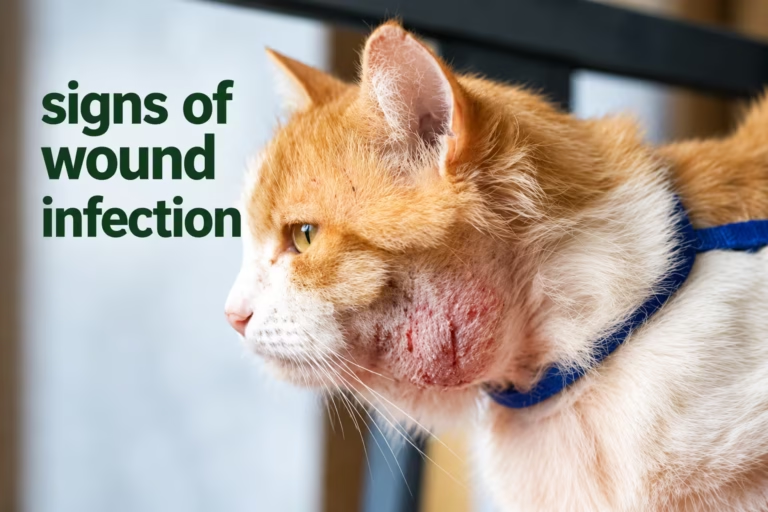
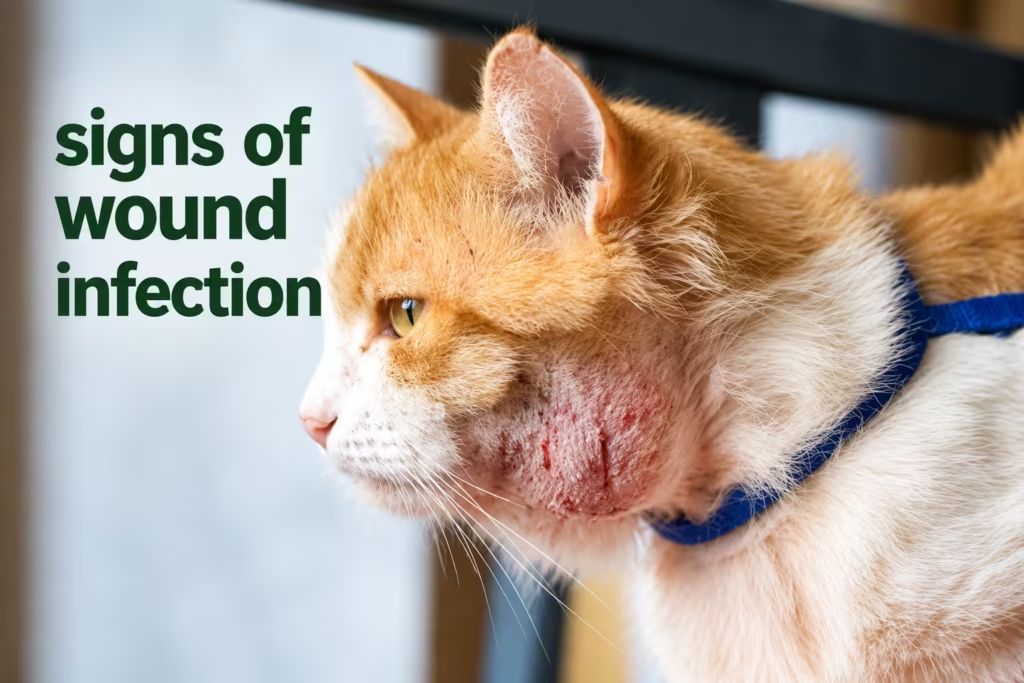
While examining the wound, watch for any signs of infection. Infections can set in quickly in cats. Veterinarians say the symptoms are redness and swelling, warm skin, and discharge (particularly when colored or smelly). Even an unusual smell may be detected from the wound. Any pus, fever, or lethargy is a red signal that the wound is infected. If the wound is deep, very large, on the face or abdomen, or if you see these signs of infection, promptly get medical attention from your veterinarian. Even if the wound seems minor, it’s wise to call your veterinarian for guidance at the outset; many vet offices offer quick advice over the phone for first aid steps.
Step 2: Stop Bleeding and Provide First Aid
If the wound is bleeding, first stop the bleeding. Gently apply direct pressure with a clean, sterile gauze or cloth pad to the area. Apply pressure for 5 to 10 minutes (or until the bleeding has slowed or stopped), checking periodically. Raising the injured area (such as holding up a bleeding leg) will also limit blood flow. If blood is coming through the cloth, press in more gauze (NEVER remove the initial layer; just add more).
After bleeding has stopped, apply the dressing lightly. VCA Animal Hospitals suggest applying layers of gauze, then a bandage or clean cloth, before transferring to the veterinarian’s office to protect the injured area. Please do not apply any ointments, chemicals, etc. at this time; rather, a fresh wound requires pressure and then gentle cleaning. If pressure doesn’t stop bleeding after 10-15 minutes, get emergency veterinary care immediately,y as this is a more serious injury. If the emergency persists, apply pressure and go to the nearest clinic.
Step 3: Clean the Wound Safely
Clean the wound gently and thoroughly. Saline (salt) solution or warm water is the best solution to clean a cat’s wound. Sterile saline can be obtained from a pharmacy or an easy-to-make salt water solution (approx. 1 teaspoon of salt in 500 mL of warm water). Flush the wound with the solution using a syringe or squeeze bottle to remove dirt, debris, or pus. If you don’t have saline, just use warm tap water and a clean syringe or irrigation bulb to pour water over the wound.
If possible, cut or clip fur around the wound before cleaning. Hair can trap bacteria, so carefully remove fur so it won’t fall into the cut. Use clippers or blunt scissors if available and apply some sterile lubricant (such as Kwik-Stop) to the area to prevent cutting the skin, then clip the fur. Rinse and pat with sterile gauze, not cotton balls that may leave fibers. Be very gentle as the tissue is tender.
Only use cleaning chemicals that are safe for pets! All veterinary sources say not to use hydrogen peroxide, alcohol, tea tree oil, or regular soaps to clean wounds made by cats. These compounds have a harmful effect on healthy tissue and can slow down the healing process. If your veterinarian instructs, however, you can use a diluted antiseptic solution, like povidone-iodine (Betadine) or chlorhexidine. For instance, dilute povidone-iodine with clean water until it is like weak tea or dilute chlorhexidine until it has a light blue tint. Swab or flush gently with this diluted solution and then flush again with saline. However, for daily cleaning, simple saline or water can serve the purpose.
Step 4: Apply Safe Antiseptics or Ointments (If Recommended)
If there is any vet-recommended ointment or antiseptic, apply it after the cleaning. If your vet prescribed an antibiotic ointment or healing ointment to put on your cat, apply it as directed (many vets prescribe special healing ointments for pets). Never use any type of human antibiotic ointment on your cat unless your veterinarian says it is safe to do so. In fact, many experts advise against using Neosporin on cats because it can irritate the skin, and a cat could lick it off and become ill. If necessary, use an ointment designed for cats. The vets will sometimes recommend the use of thin layers of antibiotic ointment (not containing pain relievers) or special wound ointments for cats.
If neither of these exists, a thin layer of plain petroleum jelly (Vaseline) may be used to keep a superficial scratch moist, only if approved by a veterinarian. If not approved by the veterinarian, it is best to leave the wound open. Keep in mind that most abrasions heal better when they have “breathing space,” and tight occlusion may harbor bacteria.
Step 5: Bandage and Protect the Wound
Determine whether to bandage or keep the wound open. Bandages can get moist and dirty in shallow cuts or scratches, and often the best treatment is to keep them open and airy. If the wound is on a paw or leg and will need to be covered (e.g., if litter is to be kept out of the wound), apply a sterile non-stick pad of gauze over the wound.
Apply directly to the wound with a gauze pad and loosely cover with vet wrap or a self-adhesive bandage. Tie just snug enough to secure the gauze without strangling the person. In fact, a bandage that is too tight can cause pain and swelling. If any toe or area below the bandage turns cold, dark, or swollen, remove the bandage at once; this is a sign it was too tight.
Replace bandages every day (or as soon as they get wet or dirty). Keep the bandage clean and dry. Change the bandage immediately if it gets wet (due to urine, bathing, etc.). Clean and apply a new sterile gauze pad every time the bandage is changed. Besides, if your cat rests, cover furniture/floor with a towel/pupsey pad so that no blood or discharge will soak carpets. Avoid bandaging if you are not comfortable doing it. Ask your veterinarian to do it for you. Many vets don’t suggest bandaging by pet owners due to the danger of creating health issues with circulation.
Step 6: Prevent Licking or Reopening the Wound
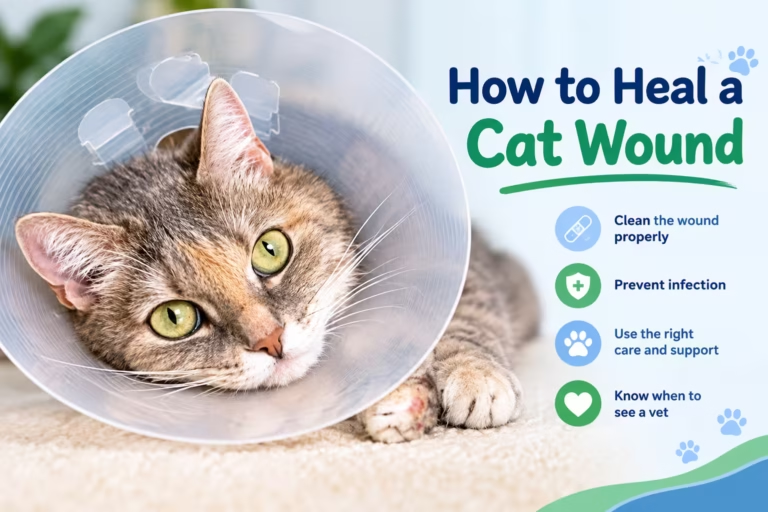
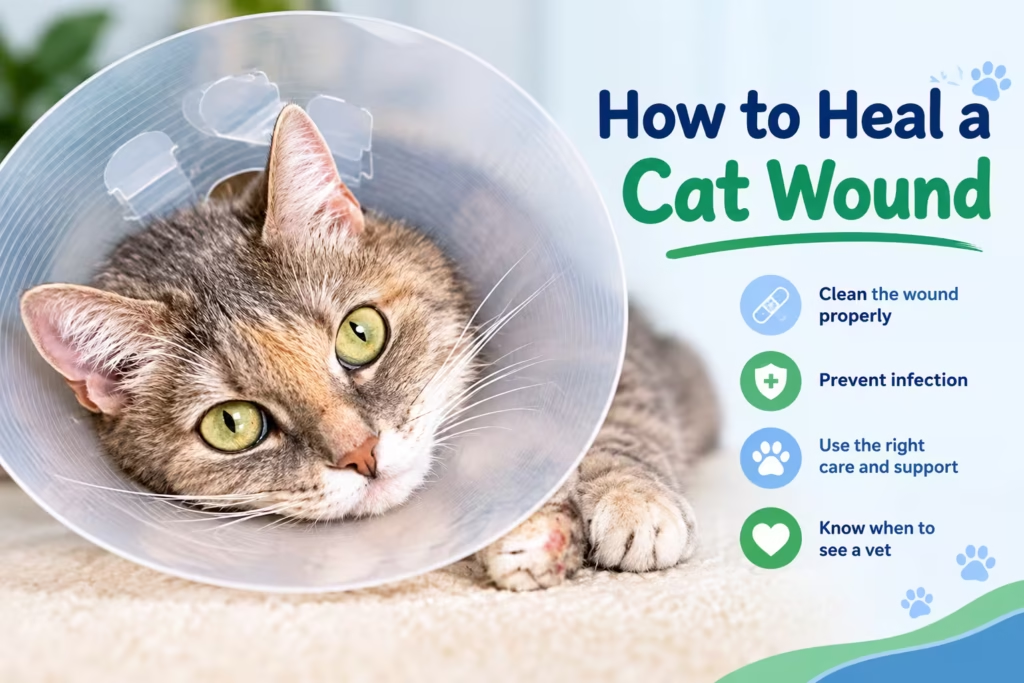
Cats will lick to heal their wounds. However, licking can compromise healing tissue and lead to the growth of bacteria. The easiest method to prevent your cat from biting or licking is with an Elizabethan collar (E-collar). An E-collar (cone) will rest around the neck and will keep the cat from being able to reach the wound. It looks a bit silly but is highly effective. Ensure that it is the correct size so the cat may still eat and drink comfortably. Your vet can prescribe it, or you can buy an over-the-counter version.
However, there are alternatives to a cone. A soft inflatable collar, a “surgical suit,” or a tight baby shirt over the wound. A small T-shirt or onesie may be used to cover belly or leg wounds, for instance. A second method is to put a lick deterrent that is bitter to taste around the bandage and safe for your cat. Leave the wound alone. Sometimes it takes a few days with a cone. Even a slight lick can remove the scab or spread bacteria onto the area, leading to a reopening of the wound.
Step 7: Monitor Healing and Know When to Seek Veterinary Care
Monitor the wound and keep an eye on your cat daily. A healthy wound will dry out and shrink over time and should have pink, moist granulation tissue underneath any scab. The granulation tissue is usually visible a few days after injury. A little scab or crust is normal but does not allow for trapping of pus. If bandaged, change the bandage daily, inspect for heat or swelling, and clean with fresh discharge.
Monitor for signs of infection. Any redness, swelling, heat, thick yellow or green discharge, or foul odor is a sign that the pet needs immediate veterinary care. Other red flags are a wound that keeps reopening or bleeding, or if your cat seems very painful or depressed. Non-healing wounds (which don’t heal in 1-2 weeks) should be checked by a vet, as chronic wounds may signal more serious issues such as hidden infection or worse disease. Lastly, take all medications (antibiotics, anti-inflammatory, pain medication) as prescribed by the vet through the entire treatment course. Ask your vet about safe analgesics for cats if your kitty seems to be in pain.
What a Healing Wound Should Look Like
A healthy wound gets better by the day. The skin should be normal or slightly reddish-pink, and swelling after surgery is normal. There is some healing, which is small amounts of clear to pale yellow drainage, which is normal. Exudate is always associated with healing wounds; therefore, exudate does not equal infection. Any swelling should gradually diminish, and any discomfort should go away quickly. A healthy wound should not have any smell to it. As a cat ages, its wounds take longer to heal. Cat wounds take longer to heal as a cat gets older.
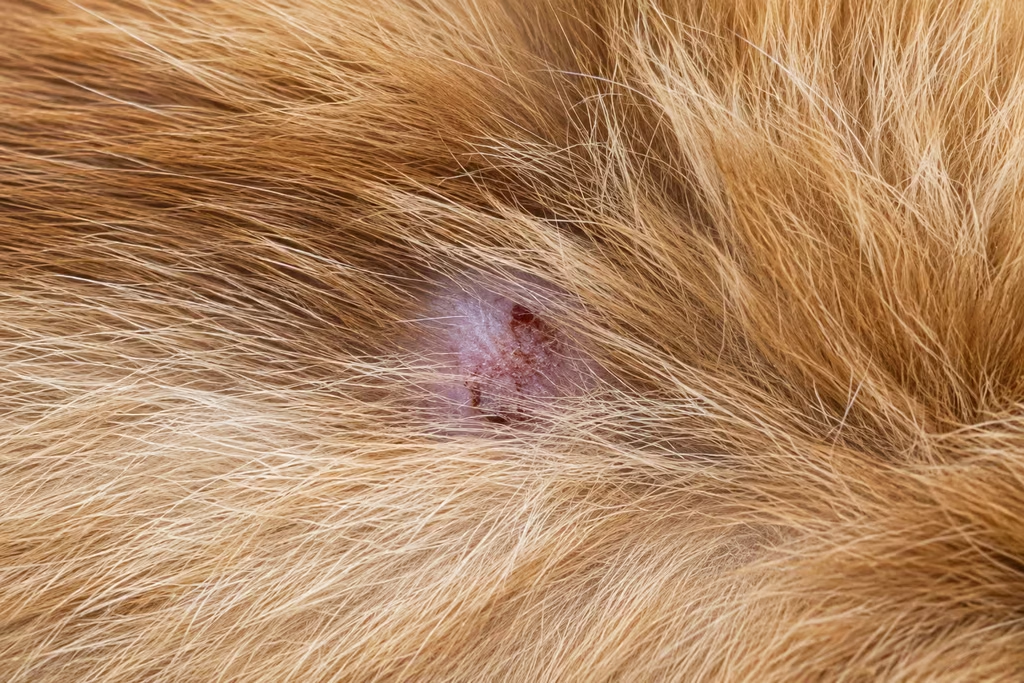
Warning signs are different. If you notice any of the following signs, like redness and swelling that do not improve, thick yellow or greenish discharge, foul odor, or an increase in pain or heat, contact your vet. If you notice red streaks coming out of the wound, too, it’s time to visit your veterinarian. Take pictures of the wound and take it to your veterinarian if you have any questions.
FAQ
My cat’s wound won’t heal. What should I do?
A persistent wound usually means infection, repeated trauma (like licking), or an underlying issue. First, ensure your cat isn’t reopening it (use an E-collar and clean bandages). Clean the wound well and continue any antibiotic course prescribed. If after several days you see no improvement or if the wound is larger or deeper, see a vet. Chronic, non-healing wounds can be more serious (even, rarely, tumors or resistant bacteria) and always warrant professional attention.
What if the cat wound smells?
A foul smell is a strong sign of infection or tissue decay. If the wound stinks or you see yellow/green discharge, call your vet right away. In the meantime, keep the area clean with saline, prevent licking, and isolate the wound from dirt. Do not ignore the smell; serious infections (even necrotizing fasciitis) can develop rapidly in cats.
Can I put Vaseline on my cat?
Only if a veterinarian specifically advises it. Generally, vets tell owners not to slather Vaseline or any ointment on a wound without guidance. In some cases (very clean, minor scratches), a thin layer of plain petroleum jelly can keep the wound moist, but it will also tempt the cat to lick it off. Vaseline itself isn’t poisonous, but if the cat licks a lot of it, it could cause an upset stomach. Most vet surgeons recommend simply keeping a new incision clean and dry without any ointment.
Can a Cat Heal Its Own Wound?
Minor, clean, small scratches and scrapes often heal on their own within 1 to 2 weeks. But Deep cuts, bite wounds, and punctures do not. Cat bites are especially risky because the skin seals over bacteria, and an abscess often forms within 2 to 5 days. Excess licking can also add bacteria and reopen the wound.
Should a Cat Wound Be Covered or Uncovered?
Most minor wounds heal well uncovered, as long as the cat cannot lick them. Use a cone (e-collar) to prevent licking. Cover only to control bleeding briefly or when a vet advises it. Bandages must never be tight or left wet, and they should be changed at least daily, because they can cut off circulation and trap bacteria.
Should I Leave My Cat’s Wound Alone?
Only if it is tiny, clean, dry, and not a bite. Even then, check it daily and stop licking with a cone. Do not leave bites, deep wounds, or swollen, red, or oozing wounds alone. These need veterinary care.
Can I Put Salt Water on My Cat’s Wound?
Sterile saline (0.9% sodium chloride) from a pharmacy is safe and ideal for flushing wounds. Avoid strong homemade salt mixtures, which sting and damage healing tissue. Saline only cleans the wound. It does not treat infection.
Does Coconut Oil Heal Cat Wounds?
No. There is no good evidence that it heals cat wounds. It traps dirt and bacteria under a greasy layer, and cats lick it off, which can cause stomach upset or diarrhea. Use a vet-approved wound product instead.
How Serious Is an Open Wound on a Cat?
It can range from minor to life-threatening. It is serious if it is deep, shows muscle or bone, keeps bleeding past 5 to 10 minutes, is a bite or puncture, or is near the eye, chest, abdomen, or a joint. Infection, abscesses, and maggot infestation (flystrike) can develop quickly in warm weather. Wounds that need stitches are best treated within about 6 hours. Cat bites can also spread diseases such as FIV and FeLV.
What Human Ointments Are Safe for Cats?
Very few. A thin layer of plain bacitracin may be used on a small area the cat cannot lick, but pet-specific products are safer. Avoid anything with pain relievers (pramoxine), hydrocortisone, or zinc oxide, and never use tea tree oil, hydrogen peroxide, or rubbing alcohol. Never give human painkillers like paracetamol (acetaminophen) or ibuprofen, which are toxic to cats. Ask a vet before using any ointment.
Sources and Citations
- Hope Crossing Animal Hospital, “Cat Wound Care 101: The Complete Guide”
- Southgate Animal Hospital, “How to Care for Cat Wounds”
- PetMD, “Wound Care For Cats: How to Care During Recovery”
- The Spruce Pets, “Is Neosporin Safe for Cats?”
- PetMD, “Wound Care For Cats”
- BLVD Vet Chicago, “Bandage Care”
- Dial A Vet, “Cat Wound with Bad Smell: When to Vet”
- Mar Vista Animal Medical Center, “Wound Healing”
- Hepper (DVM-reviewed), “Is Vaseline Safe for Cats’ Wounds?”