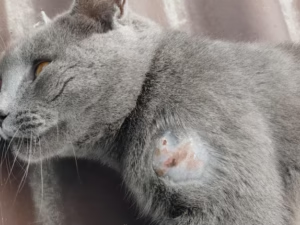

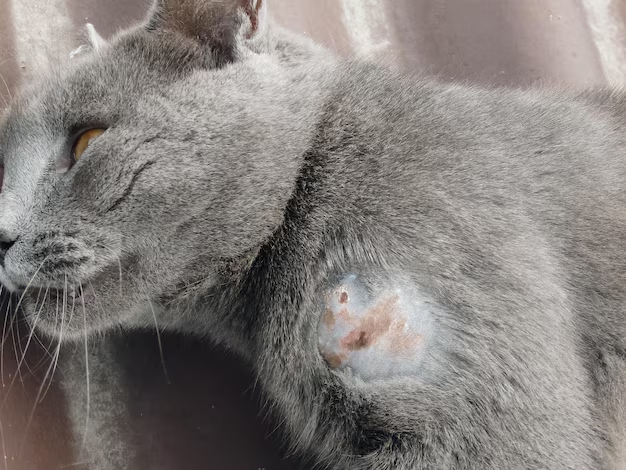
Cat bites and punctures can cause serious wounds rapidly! Particularly when bacteria get trapped under the skin. Even minor wounds can become infected, develop an abscess, or start to cause damage to the tissue within hours if not treated.
By spotting small injuries, administering safe first aid, and understanding the signs of an emergency, you can help prevent your cat from developing complications.
This guide will detail how to clean and monitor a cat wound at home, when to see your vet, and what to look for if your cat is developing an infection, as well as what products are safe and which are dangerous for your cat.
Quick Takeaways
- Small superficial wounds may heal at home with proper cleaning and monitoring
- Bite wounds and punctures often become infected quickly
- Never use hydrogen peroxide, alcohol, or tea tree oil on cat wounds
- Prevent licking with an E-collar or recovery suit
- Signs of infection include swelling, pus, foul odor, heat, and lethargy
- Seek immediate veterinary care for deep wounds, heavy bleeding, or exposed tissue.
Types of Wounds in Cats
Wounds can be superficial (cuts, scratches, etc.) or deep (burns, bite wounds, etc.).
Lacerations and Cuts:
One of the most frequent types of injuries that cats experience is lacerations and cuts. They are just tears and cuts in the skin ranging all the way from surface scratches to deeper cuts that involve underlying skin tissues. Superficial cuts that are not deep may be relatively insignificant and can be treated at home, but deeper ones that involve nerves, tendons or blood vessels must be treated by a veterinarian immediately.
Puncture Wounds
Punctures should be treated as a special case as they may be hazardous. 20–80% of cat bites frequently become infected, and Pasteurella multocida is the most commonly cultured bacterium from infected bite wounds. The wounds may look small but are filled with cavities for bacteria to multiply. Pasteurella multocida can cause infections that occur 3-6 hours after the bite.
Abrasions and Scrapes:
Abrasions and scrapes are injuries to the outermost layers of skin and usually occur from contact with rough surfaces or self-trauma due to over-scratching. These may appear minor, but they still need to be cleaned to avoid the risk of bacterial contamination.
Hot Spots and Ulcers:
Hot spots and skin ulcers can also occur in cats. Hot spots are inflamed and irritated areas due to excessive licking or scratching, and ulcers are more serious lesions that can develop from infections, allergies, burns, or other diseases. With both of the conditions, if they get worse or don’t heal, they need veterinary care.
Abscesses:
Abscesses represent infected pockets of pus that form under the skin, most commonly from untreated bite wounds. These swollen, painful lumps usually appear 2 to 3 days after a cat fight. They rupture and release foul-smelling discharge.
Burns:
Based on the extent and depth of tissue damage, burns can be minor or life-threatening. They are caused by heat, chemicals, or electricity, and need immediate treatment by a veterinarian.
Degloving Injuries:
Severely traumatic incidents can also result in degloving injuries, where the skin is completely or partially separated from the body tissue. These injuries are medical emergencies and need to be treated by a vet immediately and may require surgery.
How to Identify If the Wound Is Severe or Not?
A fast and accurate assessment of wound condition can help you in making a decision whether the wound can be treated at home or if there is a need for emergency vet attention.
Wound Signs that Can Be Treated at Home:
- Small, shallow cuts that are less than ½ inch.
- Scratches on the surface, with little bleeding.
- Clean wound edges without leaving debris in the wound.
- Your cat is acting normal and eating well.
- Does not react to gentle touch in the area with pain.
Signs your cat’s wound needs veterinary care:
- Foul smell, pus or other drainage, heavy bleeding, deep wound, extreme pain, bone, muscle, tendons, ligaments, nerves, or exposed bones.
- Wounds that bleed for more than 10-15 minutes after directly pressing them.
- Cat and wild animal bites (puncture wounds).
- Any facial, neck, chest, or abdomen wound.
- Severe trauma, like a car accident, animal attack, or potentially gunshot wounds to the body.
- Wounds due to fever, lethargy, loss of appetite, or vomiting.
- The injured area is red, hot, or swollen.
- Wounds that appear dry or lack sensation. (indicating possible tissue death).
Trust your instincts as a cat parent. Cats are exceptional at hiding pain. So subtle behavioral changes like hiding more than usual, decreased grooming, reluctance to be touched, or changes in vocalization can all indicate a more serious injury than initially apparent.
First Aid Steps for Cat Wound Care at Home
Safety First
Scars or pain can trigger scratching and/or biting behavior in injured cats. If your cat is very upset, get vet help rather than try to treat it at home. Normal wounds take 10-15 minutes to clot. In case of heavy bleeding, keep applying gentle pressure on the wound with the clean gauze and contact your veterinarian right away. If you are going to treat the wound at home, please call your veterinarian for advice depending on the type and location of the wound.
Cleaning the Wound
Scrub off dirt if present; be careful not to delve too deeply into the wound or pull out any embedded objects. Rinse out the wound with sterile saline or clean warm water to cleanse the wound of debris and bacteria. Saline can be prepared with ¼ teaspoon of salt for every cup of warm water. Gently rinse with a syringe (no needles!). Don’t use treatments such as hydrogen peroxide, alcohol, tea tree oil, or others as they may irritate and cause pain and delay healing.
Dr. Amina Ramzan, DVM, says, “The instinct to reach for a human antiseptic is understandable, but a cat’s liver processes things very differently than ours. What’s mild for us can be genuinely toxic for them.”
Disinfecting & Protecting the Wound
Dry well with a clean towel. Only use ointments when prescribed by your vet, because many ointments used by people are poisonous to cats. If bandaging is recommended, use sterile gauze or a non-stick pad with medical tape. Bandage should be tight enough to fit two fingers underneath but not too tight. Ensure that bandages stay clean and dry. If wet, dirty, or loose, replace them ASAP.
Monitoring Healing
Examine the wound each day for changes. Granulation tissue in a healthy healing wound will appear pink, moist, and have a smooth surface. Use daily pictures to monitor progress and help your veterinarian assess healing, if necessary.
If you notice an excessive amount of licking, hiding, loss of appetite, difficulty moving, or litter box changes, reach out to your veterinarian.
When to See a Veterinarian
While some minor wounds can be managed at home with careful attention, many situations require professional veterinary care. Any suspicious bites or known bites from unvaccinated, stray, or wild animals require immediate veterinary inspection and treatment. The risk of rabies transmission, though rare, is serious enough to warrant immediate evaluation.
Seek veterinary care immediately if:
- The wound is infected (spreading redness from the wound, swelling, warmth, foul odor or thick, green, yellow or cloudy discharge).
- Your cat has a fever, loss of appetite, lethargy, or changes in behavior.
- Your wound has not improved, or it has worsened, after a few days.
- Repeatedly opening wounds, sores, or bleeding skin masses can sometimes be a sign of skin cancer or other serious conditions and should always be checked by a veterinarian.
- If you notice any black tissue, it means tissue death.
- The wound is on a joint or close to vital organs.
Deep wounds that occurred recently with minimal contamination should be evaluated quickly, as they can often be surgically closed for better healing.
Dr. Amina Ramzan, DVM, says, “I’d rather see a small puncture wound on day one than a swollen abscess on day three. The first is a five-minute visit. The second is often sedation, drainage, and a week of antibiotics.”
Your veterinarian can prescribe appropriate antibiotics, properly clean and debride infected tissue, and determine if sutures or surgical intervention would improve healing. Rapid veterinary treatment often saves pet parents money in the long run and allows for a quicker recovery and a more cosmetically pleasing appearance.
How to Prevent Your Cat From Scratching or Licking the Wound
Cats have an instinct to groom themselves, and this includes licking wounds. Unfortunately, their rough tongues and bacteria-laden saliva can introduce infection, remove scabs, and significantly delay healing.
“Your cat’s saliva is not medicine. Licking a wound feels natural to them, but it’s basically rubbing bacteria into an open cut.”
An Elizabethan collar, often called an E-collar or the “cone of shame,” is a plastic or fabric cone that is wrapped around the head to keep it from licking or chewing at a surgery site, wound, or dressing. Cats will probably not like wearing these protective collars, but most will after two or three days.
Modern alternatives to traditional plastic cones include:
- More comfortable and less confining soft fabric E-collars
- Collars that are not inflated in a donut shape and do not impair peripheral vision.
- Recovery suits, or surgical onesies for wounds on the body (not limbs, tail, or face)
Do not remove the protective collar without veterinary advice, as it may take days to heal and only a few minutes to set back.
How Long Do Cat Wounds Take to Heal?
The healing process depends on the wound, its location, its severity, and your cat’s age and health.
Simple, uninfected wounds heal on the surface in 5 to 14 days, and may take longer if there are deeper layers of damaged tissue.
Typical healing timelines:
- Some light scratching or scratching to the paint: 5 to 7 days
- Small, clean lacerations: 7-10 days if cared for properly
- Surgical incisions: 7-10 days
- Puncture wounds and abscesses: 10-14 days or more; may need drainage and antibiotic treatment
- Deep wounds or surgical closures: up to 2-4 weeks for external healing, longer for internal healing.
Factors that can delay healing:
- Advanced age or weak immune system
- Underlying conditions like diabetes, FIV, or cancer
- Malnutrition or vitamin deficiencies
- Continued licking or scratching
- Infection or poor wound care
- Excess tension on the wound from movement
Products You Can Safely Use For Cat Wounds
Having appropriate supplies on hand enables you to respond quickly when your cat sustains a minor injury. However, it’s critical to understand which products are safe for feline use and which could be dangerously toxic.
Safe products for your cat first aid kit:
- Sterile saline solution or ingredients to be used for making sterile saline (salt and water)
- Sterile gauze pads and non-stick bandages
- Medical tape and self-adhesive bandages (such as Coflex or Vetwrap)
- Clean towels and cloths
- Bandana scissors (blunt-ended)
- Properly fitted Elizabethan collar
- Disposable gloves
- Means of detaching surface dust tweezers
- Syringe (no needle) for irrigating wounds
- Veterinarian’s phone number and contact information for the nearest emergency clinic.
Veterinary-prescribed wound care products your vet may recommend include:
- Silver sulfadiazine cream (antimicrobial).
- Chlorhexidine solution (properly diluted to 0.05% for cats).
- Betadine solution (diluted iodine, ratio approximately 1:10 with water).
- Specific antibiotic ointments formulated for veterinary use.
Products that are NEVER safe for cats:
- Neosporin (bacitracin/neomycin/polymyxin B) has been known to cause serious allergic reactions in cats. The polymyxin B component may give rise to a severe allergic response, such as anaphylactic shock, which can be life-threatening.
- Rubbing alcohol (painful and slows down the healing process)
- Tea tree oil (toxic to cats)
- Humanly available pain relievers, such as acetaminophen or ibuprofen (can be deadly to cats)
- Any ointment that contains a pain reliever such as pramoxine
- Hydrogen peroxide (damages healthy tissue)
Cats have been reported to be allergic to Neosporin, and it is a severe allergy. Although the ointment may never be swallowed, cats will lick the treated area during grooming, which can lead to vomiting, diarrhea, loss of appetite, or even more severe systemic reactions.
Common Mistakes that Pet Owners Make in Wound Care
Pet owners should avoid these common wound care mistakes:
- Using hydrogen peroxide or alcohol directly on wounds
- Using Neosporin or human meds without a vet’s orders!
- Putting the bandages on too tightly.
- Allowing the cat to lick or scratch the wound
- Ignoring bites or scratches from fighting with cats
- Not seeking medical attention for swelling, pus, or unpleasant smell
- Applying essential oils or essential oil-based products in and around wounds.Applying essential oils or essential oil-based products to wounds and to the area around wounds.
- Administering pain medication used for humans (ibuprofen or acetaminophen)
When in doubt, if a wound might be unsafe to treat at home, consult with your veterinarian for advice.
FAQs About Cat Wound Care
Can I use Neosporin on my cat?
No. Neosporin can trigger serious allergic reactions in cats, especially on the skin or near the eyes. Use only what your vet recommends for wound care.
Can I put a bandage on my cat’s wound?
Yes, if your vet recommends it. Use a clean non-stick bandage, never wrapped too tight, and keep it dry.
What does an infected cat wound look like?
Swollen, red, warm, or painful skin, often with pus or a foul odor. Lethargy or loss of appetite can also signal infection.
Should I clean my cat’s wound every day?
Only if your vet advises it. Daily cleaning helps minor wounds, but over-cleaning irritates tissue and slows healing.
Should I let my cat lick the wound?
No. A cat’s tongue and saliva remove scabs and introduce bacteria, which delays healing.
How do I know if the wound is infected?
Look for spreading redness, swelling, warmth, thick or discolored discharge, and foul odor. Fever, lethargy, or loss of appetite are also warning signs, see a vet right away if discharge is green, yellow, or cloudy.
Can a cat’s wound heal on its own?
Minor scratches often heal without help. But puncture wounds, bite wounds, and anything showing infection need veterinary care, untreated wounds risk abscesses and sepsis.
What is the best antiseptic for cats?
Sterile saline or clean lukewarm water is safest for initial cleaning. Vets may recommend diluted chlorhexidine (0.05%) or diluted Betadine for advanced care, never hydrogen peroxide, alcohol, or tea tree oil.